
 EN
EN



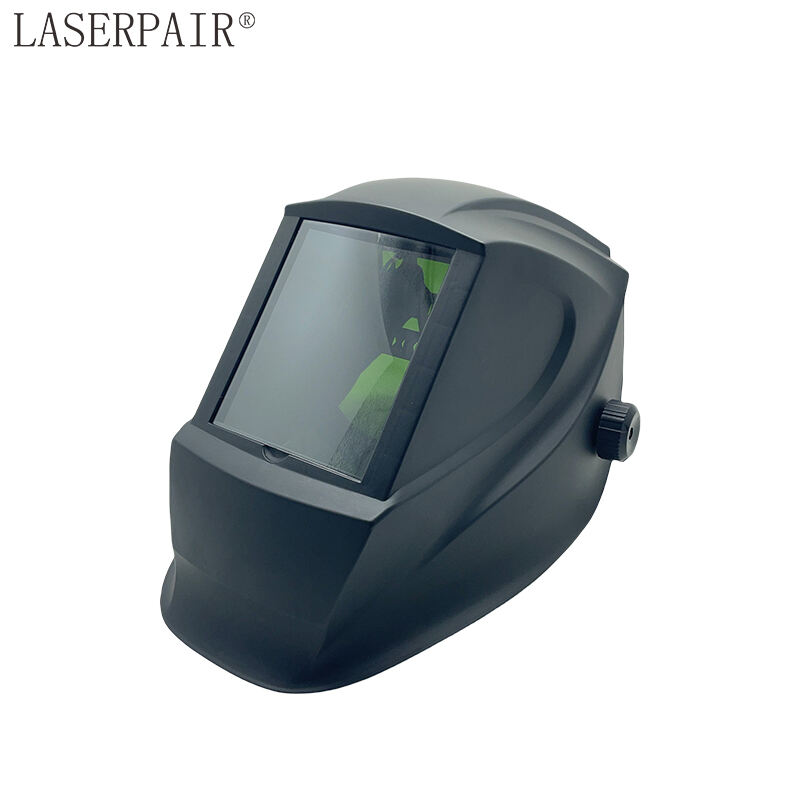
Protection Against Laser Radiation Hazards
Understanding Ocular and Skin Hazards from Laser Exposure
Exposure to laser radiation can seriously damage eyes and skin, though eye injuries tend to be the worst kind of problem. When laser beams hit the eye, they get focused by the cornea and lens right onto the retina where their power gets multiplied many times over, which often leads to permanent blindness. Technicians working with powerful lasers face another danger too. The UV component in these beams raises the chances of developing skin cancer down the road, particularly for those who spend hours each day performing laser welding tasks without proper protection. Many industrial workers have suffered from this exact issue after years on the job.
Shielding Against UV, Visible, and Infrared Radiation in Industrial Settings
Advanced laser safety helmets incorporate multi-wavelength filtration systems that effectively block hazardous UV and infrared radiation while transmitting sufficient visible light for clear visibility. This balanced protection is critical in industrial environments where workers face exposure not only from direct beams but also from diffuse reflections across multiple wavelengths.
Optical Density (OD) and Wavelength-Specific Filtering for Precise Protection
How well a laser safety helmet protects workers depends largely on what's called optical density or OD at certain light wavelengths. According to those official laser safety rules we all have to follow, when a helmet has an OD rating of 5 it stops almost all - like 99.999% - of the harmful radiation coming through at that particular wavelength. The best quality helmets come equipped with special filters that match up exactly with global safety standards like ANSI Z136.1. These filters do double duty really, shielding eyes from both the main laser beam itself and also those tricky secondary reflections that can bounce off surfaces unexpectedly during work operations.
How High-Quality Filters Mitigate Risks During Laser Welding Operations
Superior filtration maintains integrity under prolonged, high-intensity use. Advanced materials resist degradation, preventing leakage and ensuring consistent protection during demanding laser welding tasks. Selecting the correct OD based on operational parameters – laser type, power, and wavelength – ensures precise, effective shielding tailored to the work environment.
Advanced Technology in Laser Safety Helmet Design
Modern laser safety helmets integrate intelligent systems that dynamically respond to changing radiation levels. Leading models combine auto-darkening filter (ADF) technology with real-time wavelength detection to deliver comprehensive protection across diverse laser applications.
Auto-Darkening and Adjustable Filter Systems for Dynamic Work Environments
Modern welding helmets with variable optical density (OD 5-14) change their filter strength based on what kind of laser light they detect in real time. According to a recent 2023 industry report, shops that switched to these smart filters saw safety incidents drop by around 83% compared to places still using old school static filter helmets. What makes these new systems so handy is how they work across different welding jobs without needing anyone to fiddle with settings manually. They handle everything from those lower power pulsed fiber lasers at 1,064 nm right up to the big guns like CO2 systems operating at 10.6 microns wavelength. No more stopping work just to switch filters when moving between different types of welding equipment.
High-Speed Light-Filtering Technology: Precision and Response Time
The best safety helmets kick into action within less than 1/25,000th of a second, which is mind-blowingly fast compared to how long it takes most people to blink their eyes (around 200 to 400 milliseconds). When those helmets respond so quickly, they actually stop dangerous things like arc flashes or bright beams from hurting workers' eyes. Tests done by third parties show these protective systems block out almost all visible light once activated down to just 0.0001%. That's way beyond what the EN 175 standards require, going over them by 400% in fact. Such performance makes these helmets stand out in industries where eye safety matters most.
Interlock Systems and Fail-Safe Mechanisms for Enhanced Operational Safety
Integrated safety interlocks link helmet positioning sensors directly to the laser power supply. If the helmet tilts beyond 30° or loses proper facial contact, electromagnetic cutoffs immediately disable the laser. Dual-processor control units and backup batteries ensure uninterrupted protection – even during power disruptions – with critical functions sustained for over 72 hours.
Compliance, Standards, and Certification for Laser PPE
EN 175 and international standards for laser safety helmets
Safety helmets designed for laser work need to pass pretty strict tests according to international standards. The EN 175 standard covers what's needed for eye and face protection during welding tasks, looking at things like how dark the lens gets (optical density), what the worker can actually see through it, and how tough the material is when hit. Around the world, there's another system called IEC 60825 that sorts lasers into different danger categories. Meanwhile in America, rules found in 21 CFR 1040 require specific filters based on light wavelengths used in workplaces. Real world data shows that helmets certified under EN 175 cut down eye injuries by about 92% across various industries. Because safety gear companies operate globally, most manufacturers build their products to satisfy several standards at once, commonly including both ANSI Z136.1 and ISO 16321-1 specifications alongside others.
Regulatory framework for personal protective equipment in laser welding
Global regulations emphasize hazard-specific PPE selection and validation:
| Region | Key Standards | Focus Areas |
|---|---|---|
| EU | EN 207, EN 175 | OD verification, peripheral vision, mechanical durability |
| U.S. | OSHA 29 CFR 1910.132 | Risk assessment, PPE program implementation |
| Global | ISO 12609-3 | Durability under high-power laser exposure |
Under the EU’s Machinery Directive 2006/42/EC, employers are required to provide protective equipment that meets both optical and structural performance standards. The updated EN ISO 13697 (2023) imposes stricter testing for auto-darkening filters used in fiber laser welding, mandating a maximum response time of →0.1 ms for Class 4 laser operations.
Ergonomics, Comfort, and User-Centered Design
Modern laser safety helmets leverage advanced materials and biomechanical design to combat fatigue. According to a 2024 PPE Compliance Report, operators wearing next-generation helmets experienced 43% less neck strain during full-shift operations compared to traditional models.
Material Science Advances in Eye and Facial Protection
Aerospace-grade polymers reduce helmet weight by 34% without compromising impact resistance. Memory foam liners with moisture-wicking properties lower internal heat buildup by 27%, enhancing comfort and concentration during precision tasks (International Journal of Occupational Safety, 2023).
Balancing Visibility and Safety With Advanced Optical Filter SystemsAdaptive optical filter technology in modern helmets
Next-generation auto-darkening filters achieve response times as fast as 0.0001 seconds while preserving 98% color accuracy, enabling accurate weld inspection. This advancement reduces ocular fatigue by 52%, according to ergonomic studies on visual performance.
Ergonomic Design for Prolonged Use in Demanding Laser Welding Tasks
| Feature | Traditional Helmets | Modern Ergonomic Helmets |
|---|---|---|
| Weight Distribution | 72% front-loaded | Balanced 50/50 |
| Ventilation Zones | 2–4 passive vents | 8 active airflow channels |
| Adjustability Points | 3 | 7 |
| Average Fatigue Onset | 2.3 hours | 5.1 hours |
Using 3D head scan data from 12,000 industrial workers, manufacturers optimize pressure distribution to minimize strain. These designs reduce trapezius muscle activation by 38% during overhead welding (NIOSH, 2023), contributing to fewer musculoskeletal injuries.
Risk-Informed Selection of Laser Safety Helmets
Comprehensive Risk Assessment of Laser Welding Hazards
When choosing eye protection for laser work, there are basically three things to consider first: what class the laser is (ranging from I to IV), its operating wavelength somewhere between 190 and 10,600 nanometers, and how much power it puts out, typically anywhere from 1 to 50 kilowatts. Now, if someone's working with a Class 4 laser specifically, their safety gear needs to have an optical density of at least OD 8 at around 1,070 nm wavelength to stop nearly all that radiation - we're talking about blocking 99.999999 percent! According to a recent industrial safety study from 2023, most eye injuries happened because workers were wearing helmets whose OD ratings didn't line up properly with the actual light spectrum coming out of those lasers.
Special Considerations for Handheld Laser Welding Safety
Handheld laser systems introduce unique hazards, including beam deflection and operator instability. Effective protection requires:
- 360° facial coverage to guard against reflections from curved surfaces
- Anti-fog coatings maintaining ≥85% visible light transmission (VLT)
- Total helmet weight under 800 g to prevent fatigue during extended shifts
Open-beam operations require real-time OD verification, as emphasized in 2024 OSHA-compliant risk assessment protocols.
Case Study: Reducing Incident Rates with High-OD Helmets in Automotive Manufacturing
A Tier 1 automotive supplier introduced helmets with wavelength-specific OD 10 filters (1,030 nm) for battery tray laser welding. Over 18 months:
| Metric | Pre-Implementation | Post-Implementation |
|---|---|---|
| Ocular incidents/month | 2.7 | 0.3 |
| PPE compliance rate | 68% | 94% |
| Rework from weld flaws | $740k | $182k |
Data indicates that high-OD protection improved safety adherence by 62%, accelerating welder adoption of best practices (Automotive Manufacturing Safety Alliance, 2023).
FAQ
What are the main hazards associated with laser exposure?
Laser radiation can cause serious damage to the eyes and skin. Eye injuries are particularly concerning since lasers focus intensely on the retina, potentially leading to permanent blindness. Skin exposure to UV components of lasers increases the risk of skin cancer.
Why is optical density (OD) important in laser safety helmets?
Optical density measures a helmet's capacity to block laser radiation at specific wavelengths. Helmets with high OD ratings offer substantial protection by stopping nearly all harmful radiation at designated wavelengths.
What advancements have been made in laser safety helmet design?
Modern helmets use intelligent systems that adjust to changing radiation levels, incorporating auto-darkening filters and real-time wavelength detection for comprehensive protection.
How do modern helmets improve ergonomic comfort during extended use?
New materials and design strategies reduce helmet weight and offer balanced weight distribution, reducing neck strain and enhancing comfort for prolonged use.
What regulations guide the design and use of laser safety helmets?
Standards such as EN 175, ANSI Z136.1, IEC 60825, and OSHA guidelines ensure helmets effectively protect against laser hazards. Compliance with these standards is critical to ensuring safety in laser environments.