
 EN
EN



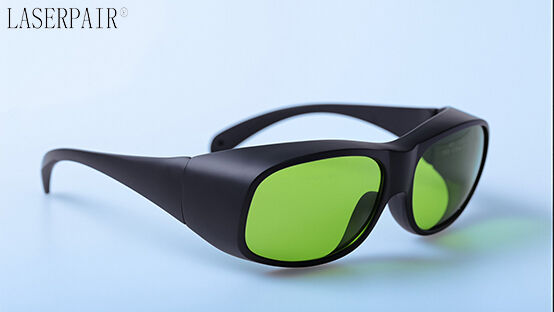
Why IPL Protection Goggles Are Non-Negotiable for Aesthetic Safety
Retinal phototoxicity and corneal risks from unfiltered IPL broadband pulses
IPL devices release these broad spectrum light pulses between 500 to 1200 nanometers which regular glasses just cant stop effectively. The problem is that even brief exposure either directly or indirectly can damage the retina permanently within seconds, plus there's risk of corneal burns when dealing with those near infrared wavelengths. Looking at actual clinic reports, around two thirds of eye injuries seen in beauty clinics happen during IPL sessions where staff forgot their special protective eyewear. These numbers back up what everyone in the field already knows those specialized IPL goggles aren't something extra they're absolutely necessary equipment for anyone working with these machines safely.
Legal and liability implications of noncompliance in salons and medical spas
When medical facilities use IPL equipment without proper eye protection or rely on uncertified gear, they're actually breaking important OSHA rules as well as ANSI Z136.1 standards for laser safety. This puts clinics at real risk legally and financially. The numbers tell a pretty scary story too. According to research from Ponemon Institute back in 2023, medical spas typically end up paying over seven hundred forty thousand dollars in settlements when preventable eye injuries occur. And if inspectors catch them out of compliance, the fines can run past thirteen thousand dollars for each violation. Just having patients sign a consent form doesn't protect against these issues either. Keeping records showing staff used certified IPL eyewear isn't just about following the law it's also what makes sense ethically for anyone running a responsible practice.
How to Choose IPL Protection Goggles: Key Technical Criteria
Broadband attenuation (500–1200 nm) – why IPL-specific goggles differ from laser eyewear
Intense Pulsed Light (IPL) doesn't emit just one specific wavelength like many people think. Instead it produces a wide range of light wavelengths which makes regular laser protection glasses completely insufficient for safety. The actual output covers everything from visible light right through to near infrared spectrum between around 500 nanometers up to 1200 nanometers. Sometimes the intensity can go well over 100 watts per square centimeter during operation. For proper eye protection against all those different wavelengths, only special IPL goggles work properly. These protective eyewear pieces contain multiple layers of optical filters designed specifically to block out all the dangerous high energy parts of the spectrum. If someone tries to get away with using normal laser glasses meant for narrower bands, there will be serious gaps in protection. This puts eyes at much greater risk of damage from the intense light exposure.
ANSI Z136.1 and Z87+ certification: verifying optical density, VLT, and frame coverage
Always select goggles independently certified to ANSI Z136.1 (laser safety) and Z87+ (impact resistance). These standards validate three non-negotiable performance criteria:
- Optical density (OD): ¥5.0 at key wavelengths like 755 nm ensures sufficient attenuation of hazardous irradiance
- Visible light transmission (VLT): 12–18% balances protection with clinical visibility—critical for real-time skin assessment
- Frame coverage: Wrap-around designs with sealed side shields prevent peripheral light leakage, which can exceed safe exposure thresholds (>0.1 J/cm²)
Third-party certification confirms consistent UV/IR blocking, structural integrity, and full-spectrum reliability—not just marketing claims.
Operator vs. Patient IPL Protection Goggles: Design, Function, and Protocol Integration
Operator goggles: tinted lenses (green/brown), color fidelity, and situational awareness
Medical operator goggles feature specially designed green or brown lenses that block out light between 500 and 1200 nanometers while still letting doctors see true colors. This helps them assess things like skin tones, blood vessel reactions, and when treatments are complete. Regular tinted glasses just don't cut it because they mess with how well someone can judge contrasts and depth, especially when lights go off in flashes during procedures. These professional goggles come with curved frames that fit snugly around the face, stopping stray light from getting in but keeping the wearer comfortable even after hours of use. Every model that passes safety standards meets the ANSI Z136.1 guidelines, showing an optical density greater than 5.0 at the specific wavelengths important for clinical work.
Patient goggles and disposable shields: full occlusion, hygiene standards, and FDA-cleared materials
To truly protect patients, we need complete darkness - no light getting through at all, meaning zero percent visible light transmission and blocking every part of the spectrum. The reusable goggles come with tough stainless steel frames or high quality medical plastics, plus those soft silicone edges that create an air tight seal without putting pressure on sensitive areas. For situations where hygiene is critical, there are also disposable adhesive shields that work great as a one time use option and meet all CDC guidelines against contamination spread. Everything used has to pass FDA tests showing it won't react badly with skin or cause problems. When reusing equipment, proper cleaning is essential between each patient. Autoclaving works well, but some facilities prefer UV-C light treatments that have been proven effective too. Keeping things clean isn't just good practice, it's necessary for everyone's safety.
FAQ
Why are IPL protection goggles necessary?
IPL protection goggles are essential to protect against retinal damage and corneal burns due to unfiltered IPL broadband pulses. Regular glasses cannot stop these broad-spectrum light pulses effectively.
What are the legal implications of not using IPL protection goggles in clinics?
Noncompliance with the use of IPL protection goggles can breach OSHA rules and ANSI standards, leading to significant legal and financial risks for clinics.
How do IPL goggles differ from regular laser eyewear?
IPL goggles are designed to protect against a broad range of wavelengths (500-1200 nm) with layers of filters, unlike regular laser eyewear, which covers narrower bands and may leave gaps in protection.
What certifications should IPL goggles have?
IPL goggles should be independently certified to ANSI Z136.1 and Z87+ standards to ensure optical density, impact resistance, and full protection.