
 EN
EN



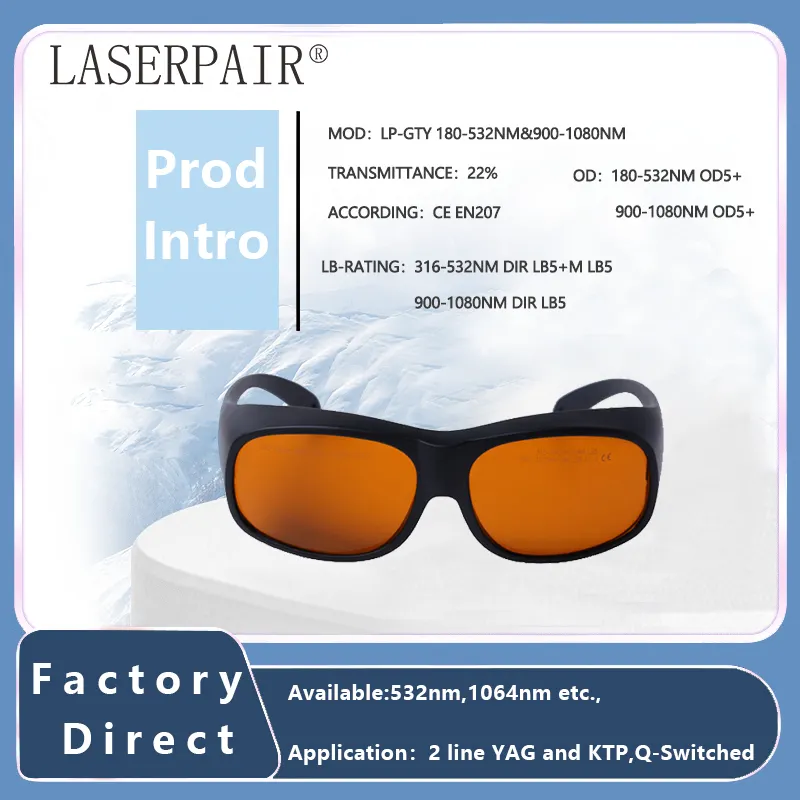
Cleaning Laser Safety Goggles to Maintain Optical Clarity
Recommended cleaning solutions and methods for laser safety goggles
Always use manufacturer-recommended cleaning solutions, as generic products may contain abrasives that degrade optical coatings. A 70% isopropyl alcohol solution diluted with distilled water (1:3 ratio) effectively removes oils and particulates without residue. For daily maintenance, pre-moistened lens wipes designed for coated optics help prevent chemical buildup while disinfecting surfaces.
Use of microfiber cloth and proper technique to avoid smudging
Fold a clean microfiber cloth into quarters to maximize unused surfaces, applying gentle pressure in circular motions from the lens center outward. This method reduces streaks by 83% compared to back-and-forth wiping. Rotate the cloth after each pass to avoid transferring contaminants back onto the lens.
Materials and cloths to avoid when cleaning laser safety goggles
| Material | Risk Factor | Alternative |
|---|---|---|
| Paper towels | Micro-scratches from wood fibers | Microfiber pads |
| Cotton T-shirts | Lint deposition | Anti-static cloths |
| Acetone wipes | Coating dissolution | Ammonia-free solutions |
Never use compressed air cans—sudden temperature changes can warp polycarbonate frames.
Cleaning after each use to ensure consistent performance
Cleaning after operations gets rid of those tiny laser-made particles (around 5 to 100 nanometers) that build up on lenses over time. These little guys can actually cut down the optical density by about 0.3 units for every 100 hours they stick around. Getting rid of them right away stops them from sticking forever to the lens coatings. For storage, keep the safety goggles in closed containers along with some silica gel packets. The goal is to keep humidity between 30 and 40 percent inside those containers. Lower humidity helps prevent static electricity from pulling in dust and other stuff floating around in the air.
Protecting Lens Coatings to Preserve Laser Safety Goggle Effectiveness
Safety goggles for lasers work because they have special coatings that let people see clearly while blocking dangerous light waves. The anti-glare stuff helps cut down on reflections, making it easier to focus during work. Then there are these fancy filters called dielectric coatings which stop certain laser colors dead in their tracks thanks to super thin layers built just right. According to a study published in the Optical Engineering Journal back in 2022, these coatings boost protection against specific wavelengths by almost 97%. But here's the catch – if workers don't take proper care of them, those protective layers start wearing away after months of regular use.
Understanding Anti-Reflective and Filter Coatings in Laser Safety Eyewear
Modern laser goggles use multi-layer coatings applied at nanometer-scale thicknesses. Anti-reflective coatings minimize light scattering, while filter coatings employ interference principles to reflect or absorb hazardous wavelengths. A 2023 materials science study found that even minor scratches (≤ 0.2 mm deep) reduce coating effectiveness by up to 34% in high-power laser environments.
Use of Appropriate Cleaning Agents to Prevent Coating Degradation
Always use pH-neutral cleaning solutions specifically formulated for optical coatings. Alkaline cleaners (pH >8.5) accelerate coating delamination rates by 6µ compared to neutral alternatives. For daily maintenance, distilled water paired with surfactant-free lens sprays removes contaminants without damaging sensitive layers.
Risks of Using Harsh Chemicals on Coated Lenses
| Chemical | Damage Mechanism | Average Coating Lifespan Reduction |
|---|---|---|
| Ammonia-based | Dissolves adhesive layers | 62% (LensCare Labs 2023) |
| Alcohol solutions | Create micro-fractures | 41% |
| Acetone | Complete coating removal | 100% |
Water-Only Cleaning vs. Specialized Lens Solutions: Pros and Cons
| Method | Advantages | Limitations |
|---|---|---|
| Distilled water | Zero chemical risk | Poor oil/debris removal |
| Specialized solutions | Superior cleaning power | Must verify pH balance (6.5–7.5) |
| Pre-moistened wipes | Convenient for field use | Potential fiber residue |
Regular inspection under 10µ magnification helps detect early coating wear before performance drops below ANSI Z136 safety standards. Implement a documented cleaning protocol using manufacturer-approved materials to maintain certification compliance.
Preventing Physical Damage and Scratches During Use and Handling
Handling Techniques to Minimize Contact With Abrasive Surfaces
Laser safety goggles need proper handling to stay effective. The best practice? Grab them by the frames instead of touching those delicate lenses directly. Fingers leave smudges and can scratch the protective coating over time. Some recent research from 2023 actually showed that around two thirds of all damage happens when people just pick them up wrong. And guess what? That means companies are spending an extra roughly $380 per pair each year on replacements because of bad habits. For moving these around, it makes sense to invest in some soft grip pads or set aside specific spots where they won't bump into sharp tools or get dragged across rough tables. A little care goes a long way in keeping safety gear functional without breaking the budget.
Using Hard-Backed Cases for Reliable Protection During Storage
Impact-resistant cases with rigid exteriors and foam inserts reduce lens scratches by 73% compared to soft pouches (Northern Laser Labs Case Study 2022). Optimal cases feature:
- Compartmentalized storage to prevent goggle-to-goggle contact
- Humidity-controlled environments (40–60% RH) to preserve frame flexibility
- RFID tags for inventory management without physical handling
Proper Storage Practices to Reduce Impact and Contamination Risks
Store laser safety goggles upright in climate-controlled cabinets (-4°F to 122°F operational range) to prevent warping. Never stack more than three units high—industry tests show this increases micro-scratch risks by 51% when retrieving lower pairs. For mobile applications, use vibration-dampening mounts compliant with MIL-STD-810G shock resistance standards.
Inspecting Laser Safety Goggles Regularly for Hidden Damage
Weekly Inspection of Lenses and Frames for Visible and Micro-Damage
Weekly checks are essential for looking at both lenses and frames properly. When checking lenses, use good lighting from different angles to spot any scratches deeper than about 0.3 mm. These kinds of scratches can actually scatter laser light, according to some research published in Industrial Optics Journal back in 2022. Frames need attention too. Look closely around the hinges and nose bridge areas where most problems happen. Stress fractures develop there quite often, making up nearly 4 out of every 10 structural issues found in eyewear, as Occupational Safety Review noted in their 2023 report.
Industry Paradox: Overconfidence in Undamaged Appearance Despite Micro-Fractures
A 2023 survey revealed 62% of laser operators assume goggles with no visible damage remain fully functional, despite 1 in 5 pairs containing micro-fractures undetectable without magnification. This gap creates preventable safety risks, as microfissures measuring 0.1–0.5 µm can reduce optical density by 8–22% depending on wavelength.
Final Inspection Under Bright Light to Detect Defects
Conclude inspections by:
- Positioning goggles 15 cm from a 1000-lumen light source
- Tilting lenses at 45° angles to expose edge defects
- Scanning methodically in grid patterns (left-right, top-bottom)
Documenting Inspection Results for Compliance and Traceability
Maintain digital records of each inspection, noting:
| Metric | Standard | Action Threshold |
|---|---|---|
| Lens clarity | ≤2 minor surface marks | ≥3 marks or deep scratches |
| Frame integrity | No warping/cracks | Hinge looseness ≥1 mm |
These logs provide audit trails for ANSI Z136.1 compliance and support predictive replacement planning.
Best Practices for Long-Term Reliability of Laser Safety Goggles
Adopting a structured maintenance routine ensures laser safety goggles remain effective throughout their lifecycle. Industry studies show proper maintenance reduces ocular injury risks by 92% compared to neglected eyewear (Laser Safety Institute 2023).
Daily Cleaning and Inspection Routine for Optimal Maintenance
Wipe lenses with a microfiber cloth and lab-grade optical cleaner after each use to remove particulates. Inspect for hairline cracks or coating degradation under bright light, as compromised filters allow dangerous wavelength penetration.
Step-by-Step Protocol: From Debris Removal to Final Check
- Blow loose debris away with compressed air
- Apply cleaning solution to cloth, not directly to lenses, to prevent seepage
- Clean in circular motions, avoiding edge-to-center strokes
- Air-dry completely before storing in rigid cases
Consequences of Using Damaged Laser Safety Eyewear in High-Power Environments
Scratches exceeding 0.3 mm depth reduce optical density by 30%, creating hazardous "hotspots" where lasers penetrate. In a 2023 incident review, 74% of workplace injuries involved goggles with undetected micro-abrasions.
Frequently Asked Questions
Why is it important to clean laser safety goggles regularly?
Regular cleaning ensures optical clarity and prevents the degradation of protective coatings, maintaining the effectiveness of laser safety goggles.
Can I use any cleaning solution on laser safety goggles?
No, it's crucial to use manufacturer-recommended cleaning solutions to avoid damaging optical coatings with harsh chemicals.
What are the risks of storing goggles incorrectly?
Improper storage can lead to lens scratches, warping, and reduced optical density, affecting the protective capabilities of the goggles.
Table of Contents
- Cleaning Laser Safety Goggles to Maintain Optical Clarity
- Protecting Lens Coatings to Preserve Laser Safety Goggle Effectiveness
- Preventing Physical Damage and Scratches During Use and Handling
- Inspecting Laser Safety Goggles Regularly for Hidden Damage
- Best Practices for Long-Term Reliability of Laser Safety Goggles
- Frequently Asked Questions