
 EN
EN



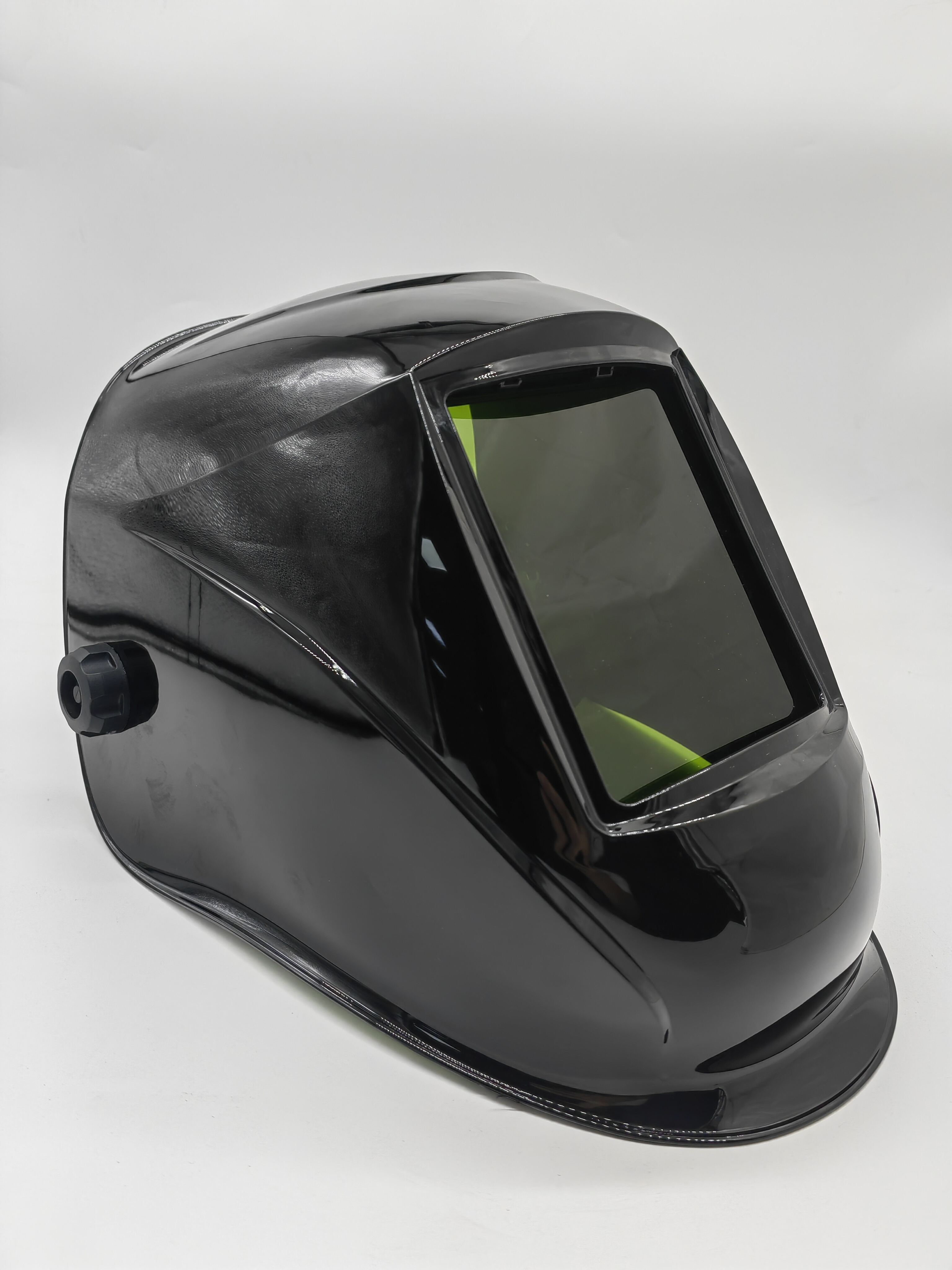
Assessing Optical Density and Wavelength-Specific Protection
Why OD Ratings Are Critical for 1070 nm and Other High-Power Lasers
The Optical Density (OD) rating basically tells us how well laser safety helmets block out certain light wavelengths. This matters a lot when dealing with those industrial 1070 nm lasers since the eyes can get damaged in just a fraction of a second. When working with Class 4 laser systems that put out more than 1 kilowatt of power, getting something with at least OD 5 makes sense to bring down the beam strength to safe levels. Helmets rated at OD 6 will stop around 99.9999% of the incoming light at their specified wavelength. The thing is, these protective materials don't last forever. Over time, things like UV light exposure, surface scratches, or repeated heating and cooling cycles all start to wear them down. That's why checking the OD rating regularly isn't optional for anyone concerned about real world safety standards beyond just passing some initial test.
Translating OD Values to Real-World MPE Compliance Across Power and Pulse Regimes
Converting OD into Maximum Permissible Exposure (MPE) compliance requires context: power regime, pulse duration, repetition rate, and exposure time all influence required protection.
| Parameter | Continuous Wave Lasers | Pulsed Lasers (ns range) |
|---|---|---|
| Required OD | Scales linearly with average power | Increases exponentially with peak pulse power |
| Critical Factors | Total exposure duration | Pulse width and repetition frequency |
| Failure Risk | Thermal burns | Photomechanical retinal damage |
Take for example a continuous wave laser operating at 500 watts and 1064 nanometers wavelength usually needs an optical density rating around 4.5. But when dealing with pulsed systems like one producing 10 millijoules at 20 hertz frequency, the requirement jumps to OD 7 or higher because of those short bursts of intense energy. Safety helmets aren't just about meeting basic standards though. They have to keep their certified protection levels throughout all sorts of pulse durations specified by ANSI Z136.1 standards. We're talking everything from really long pulses measured in microseconds down to incredibly brief ones lasting mere femtoseconds. And here's the catch: some weird stuff happens with certain lens materials under these extreme conditions. Nonlinear optical effects actually make the lenses less effective than expected in real world situations, which is why proper testing remains so important for actual safety performance.
Conducting Standardized Performance Testing Under Operational Stress
Thermal Stability, Impact Resistance, and Field-of-View Retention During Simulated Laser Exposure
Baseline certification tests often miss failure modes that emerge under real-world stress. Rigorous performance validation subjects helmets to integrated, operationally relevant conditions: thermal load, mechanical impact, and visual performance—all simultaneously.
When it comes to thermal stability testing, helmets are subjected to continuous exposure at 1070 nm wavelength according to ISO standard 16321-2. The requirement here is pretty strict - structural deformation must stay below 5% even after going through multiple cycles of heating and cooling. For impact resistance checks, manufacturers run pendulum tests while keeping laser systems operational. These tests measure how much force gets transmitted through the helmet shell when simulating actual collision scenarios. Peripheral vision remains another critical factor. Specialized instruments called goniometers evaluate field-of-view retention across different lighting conditions and smoke levels. Safety regulations set the bar pretty high on this front, allowing no more than 15% reduction in peripheral sight as a maximum acceptable threshold for occupational environments.
Standardized test sequences replicate high-fidelity operational hazards:
- Cyclic thermal stress (±100 rapid power fluctuations)
- Multi-directional impacts during continuous laser operation
- FOV measurements under low-contrast and obscured visibility conditions
These integrated protocols reveal latent vulnerabilities—such as lens delamination during thermal shock or reduced impact absorption at elevated ambient temperatures (e.g., 45°C)—that isolated tests overlook. Validating thermal resilience, impact protection, and unimpaired vision together ensures reliable performance when it matters most.
Validating Certification Compliance: ANSI Z136.1, EN207, and EN166
Helmet Classification (BR/R/B/C/D) and Pulse-Duration Requirements: EN207 vs. ANSI Z136.1
The various certification standards actually represent quite different approaches to safety when it comes to lasers. Just because something meets one standard doesn't mean it automatically satisfies requirements for another. Take EN207 for instance. This standard has these letter classifications like BR, R, B, C, D that correspond to specific laser types and how long their pulses last. Equipment rated BR needs to handle those really short 1 nanosecond pulses, whereas R class stuff only gets tested against continuous wave exposure. On the other hand, ANSI Z136.1 works differently. It focuses on Maximum Permissible Exposure levels instead and doesn't care so much about the technology specifics. Basically, whatever protection equipment we're talking about needs to reduce exposure enough to stay under those MPE limits no matter if the laser is firing in microsecond bursts or running continuously.
There are real problems with compliance when standards don't match up. Take this example: A helmet certified under BR standards but tested only at 1 nanosecond might not meet ANSI requirements that look at a wider 1 microsecond window, despite both being for the same type of industrial laser. Companies need to stop thinking different standards mean the same thing. Testing needs to be done specifically for each standard separately. When setting up operations worldwide, laboratories must focus on pulse duration ranges that actually match how equipment gets used in practice. Metal cutting systems typically require continuous wave validation while medical devices and micromachining applications demand nanosecond or picosecond level testing. Getting this right means workers stay protected in ways that matter beyond just paper certifications.
Key Compliance Differences at a Glance
| Standard | Classification System | Pulse Duration Focus | Testing Priority |
|---|---|---|---|
| EN207 | BR/R/B/C/D classes | Class-specific thresholds | Laser type isolation |
| ANSI Z136.1 | None (MPE-based) | Full operational range | Attenuation breadth |
Evaluating Real-World Usability and Human Factors
Fit, Peripheral Vision, Cognitive Load, and Operator Acceptance in Extended Use
The protection a helmet offers on paper means nothing if someone doesn't actually wear it properly or forgets to put it on completely. How well it fits matters a lot for staying safe. When helmets slip around during active work, they just don't cover what needs covering, leaving people vulnerable to dangerous glares from machinery. What many overlook is peripheral vision too. Workers need at least 200 degrees of visibility across their field of view so they can keep track of machines, coworkers, and laser beams without constantly twisting their necks. Good visibility literally saves lives in industrial settings where split second decisions matter.
The weight of a helmet matters when it comes to risk management. Helmets over 700 grams can boost mental fatigue by around 40% after wearing them for more than four hours straight, according to research published in the Occupational Safety Journal last year. This extra tiredness affects how workers perceive their surroundings and react to hazards. Testing real world usage involves some interesting methods. Researchers run timed simulations where they count how often people adjust their gear, measure mistakes made while distracted, and observe whether workers actually put on their helmets when no one is watching. Practical field tests have revealed something important about comfort features. When companies switch to lighter composite materials, better suspension systems, and those fancy anti-fog lenses, workers tend to keep their helmets on consistently throughout shifts. These newer designs result in about 58% higher compliance rates compared to older models. Making sure safety equipment works as intended in actual work conditions is crucial. Human factors experts bridge the gap between what looks good in controlled lab settings and what actually protects workers during those long, dangerous operations on site.
FAQ
Why is checking the OD rating regularly important?
Regular checking is crucial as protective materials degrade over time due to factors like UV exposure, surface scratches, and repeated heating and cooling cycles.
What is the significance of helmet weight in industrial settings?
Helmets weighing over 700 grams can increase mental fatigue, which affects how workers perceive their surroundings and react to hazards, emphasizing the need for lighter materials.
How do EN207 and ANSI Z136.1 standards differ?
EN207 focuses on laser type isolation with specific pulse duration requirements, whereas ANSI Z136.1 emphasizes attenuating exposure based on Maximum Permissible Exposure limits regardless of pulse conditions.
What is real-world testing for helmets?
It involves simulations that measure adjustment frequency, mistakes, and compliance rates when wearing helmets, ensuring their effectiveness in actual work conditions.