
 EN
EN


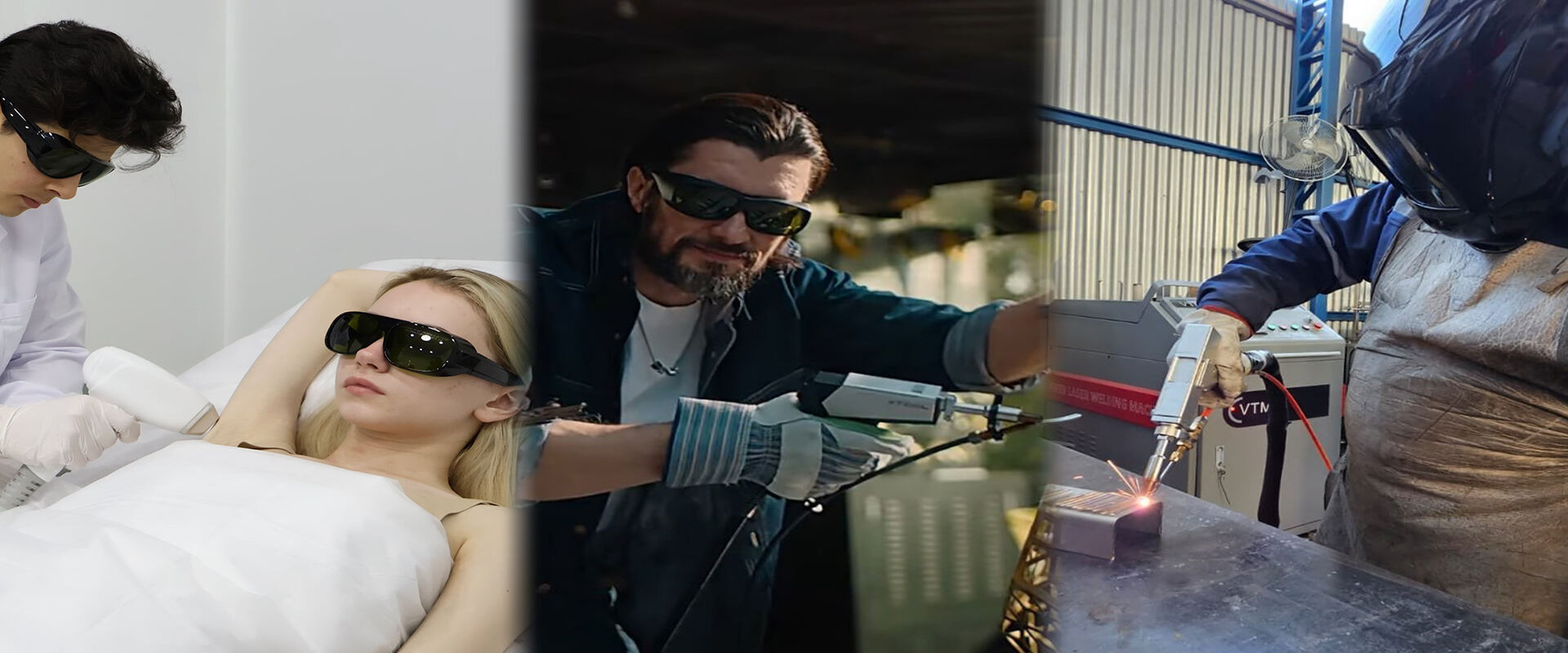
In high-power industrial environments, operating Class 4 lasers introduces severe risks, including irreversible eye injuries, skin burns, and secondary hazards like plasma arcs. Relying on standard laser protective eyewear is often insufficient. To ensure complete safety, industrial facilities must deploy Class 4 laser protective helmets that meet rigorous international certification standards.
Why Standard Laser Protective Eyewear (LPE) Falls Short
Standard LPE leaves critical zones—cheekbones, scalp, and neck—exposed to diffuse reflections and infrared leakage. Industrial protective helmet systems resolve these vulnerabilities by integrating laser-filtering optics with a rigid structural shell.
-
Full Coverage: Eliminates gaps near the hairline and jawline.
-
Consistent Alignment: Unlike glasses that shift, helmet visors provide fixed-position optics.
-
Mechanical Protection: Guards against impact debris and secondary thermal hazards.
Essential International Standards for Compliance
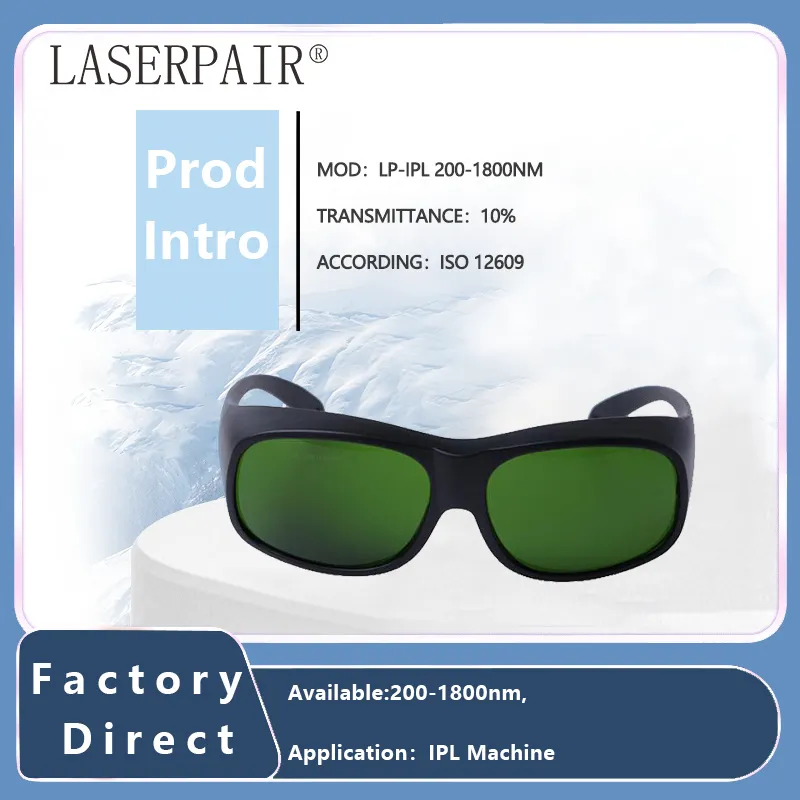
For a helmet to be considered "Class 4 ready," it must adhere to these primary benchmarks:
1. ANSI Z136.1 (United States)
This is the foundational framework for U.S. laser safety. It mandates Maximum Permissible Exposure (MPE) limits, which dictate the minimum Optical Density (OD) required to reduce incident energy to safe levels.
2. EN 207 (European Union)
EN 207 is the definitive protocol for high-power laser devices. Unlike static tests, it verifies OD stability during active beam irradiation, ensuring the visor maintains protection under intense thermal stress.
Optical Density (OD) 6: The Non-Negotiable Safety Margin
For Class 4 operations, an Optical Density (OD) ≥ 6 is mandatory.
-
Safety Margin: Reduces transmitted energy by a factor of one million (0.0001%).
-
Multi-Source Protection: Guards against diffuse reflections and equipment variability common in industrial settings.
-
Spectral Validation: Always ensure the helmet is certified for your specific wavelength (e.g., 1064 nm for fiber lasers, 10.6 μm for CO₂).
Integrated Design for Harsh Industrial Environments
Modern Class 4 laser helmets serve as a central platform for safety. A high-quality system must support:
-
Respiratory Protection: Standardized mount points for filtration.
-
Hearing & Communication: Recessed contours for earmuffs and EM-shielded comms.
-
Weight Distribution: Engineered for long-term wear (<1.2 kg).
Are your safety protocols keeping up with your laser output? Don’t compromise on operator safety. Contact our engineering team today for a consultation on compliant laser protective gear for your facility.