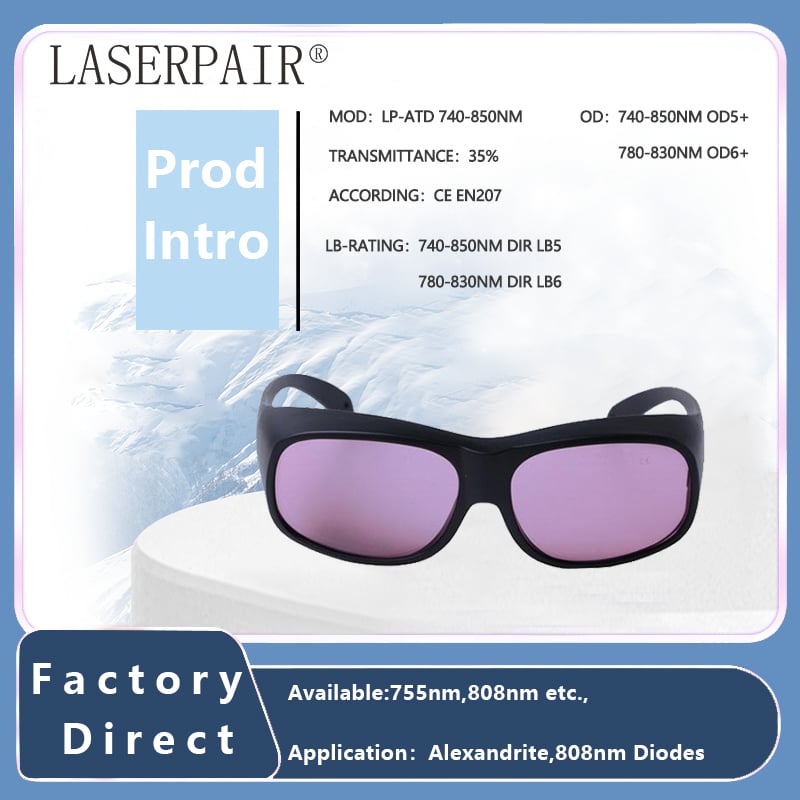
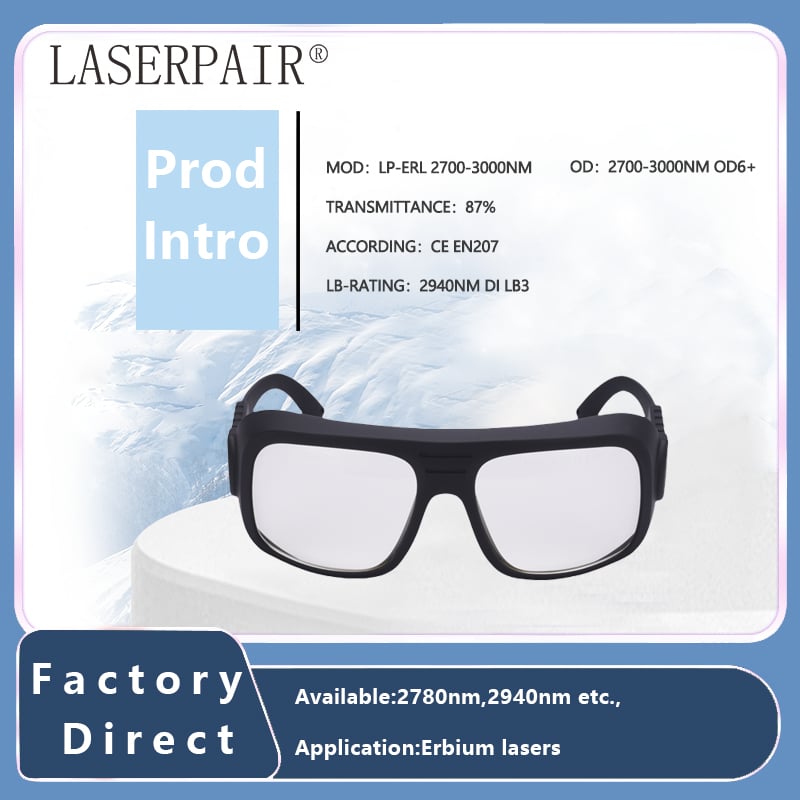
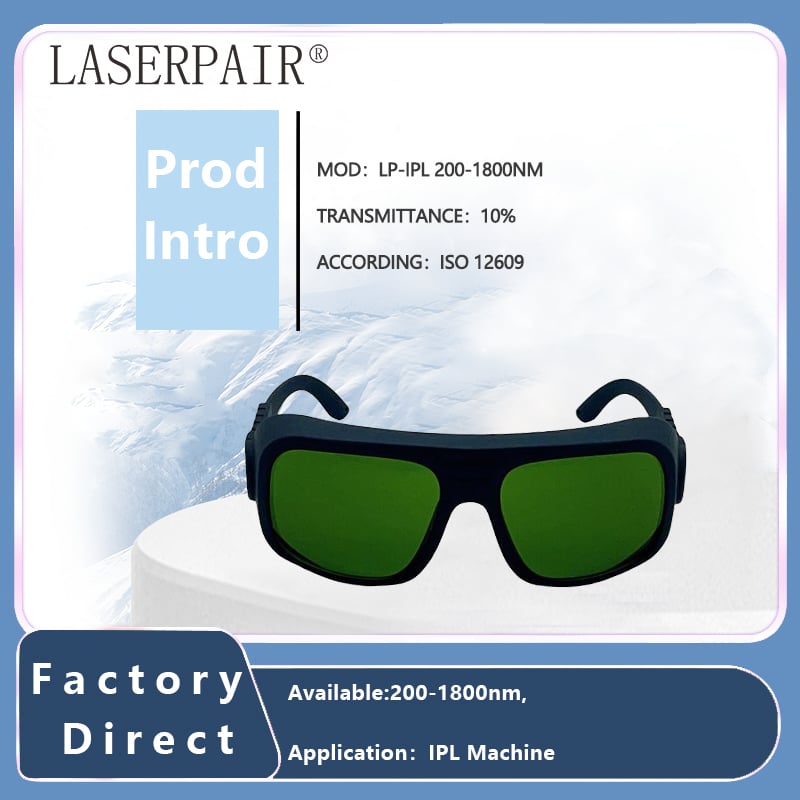
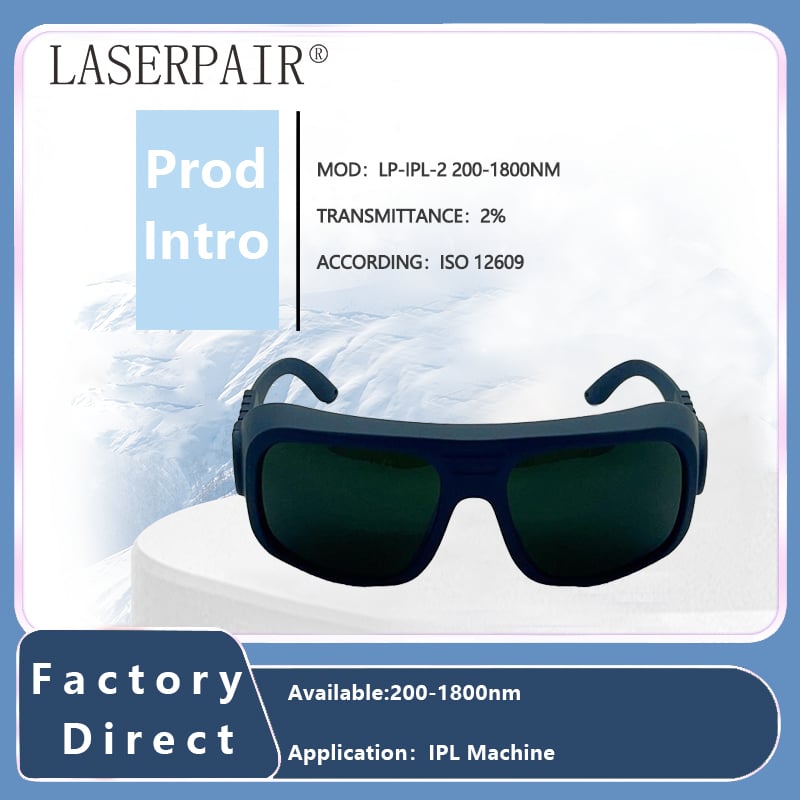
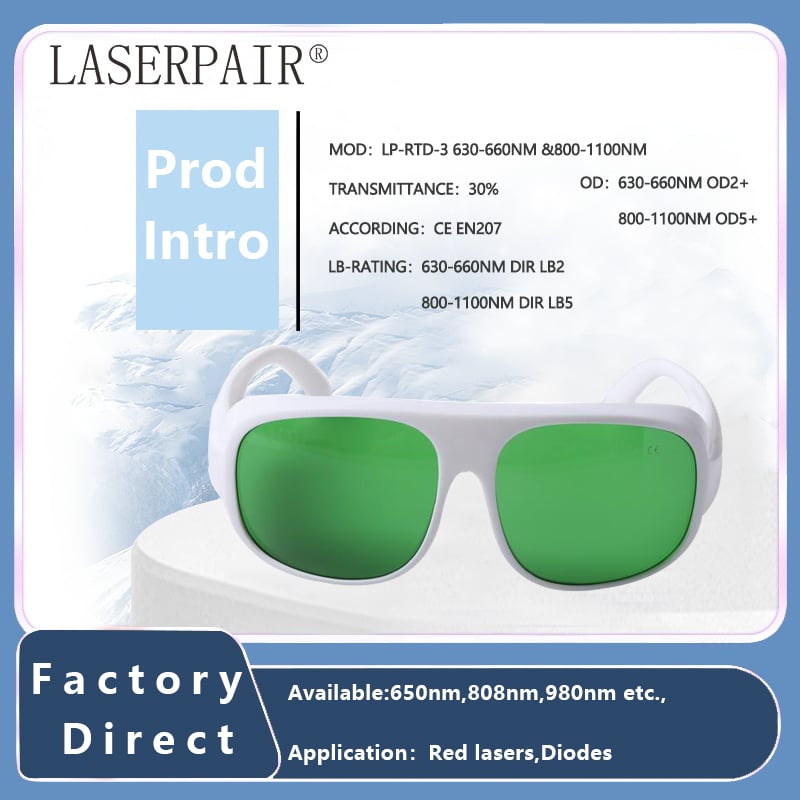
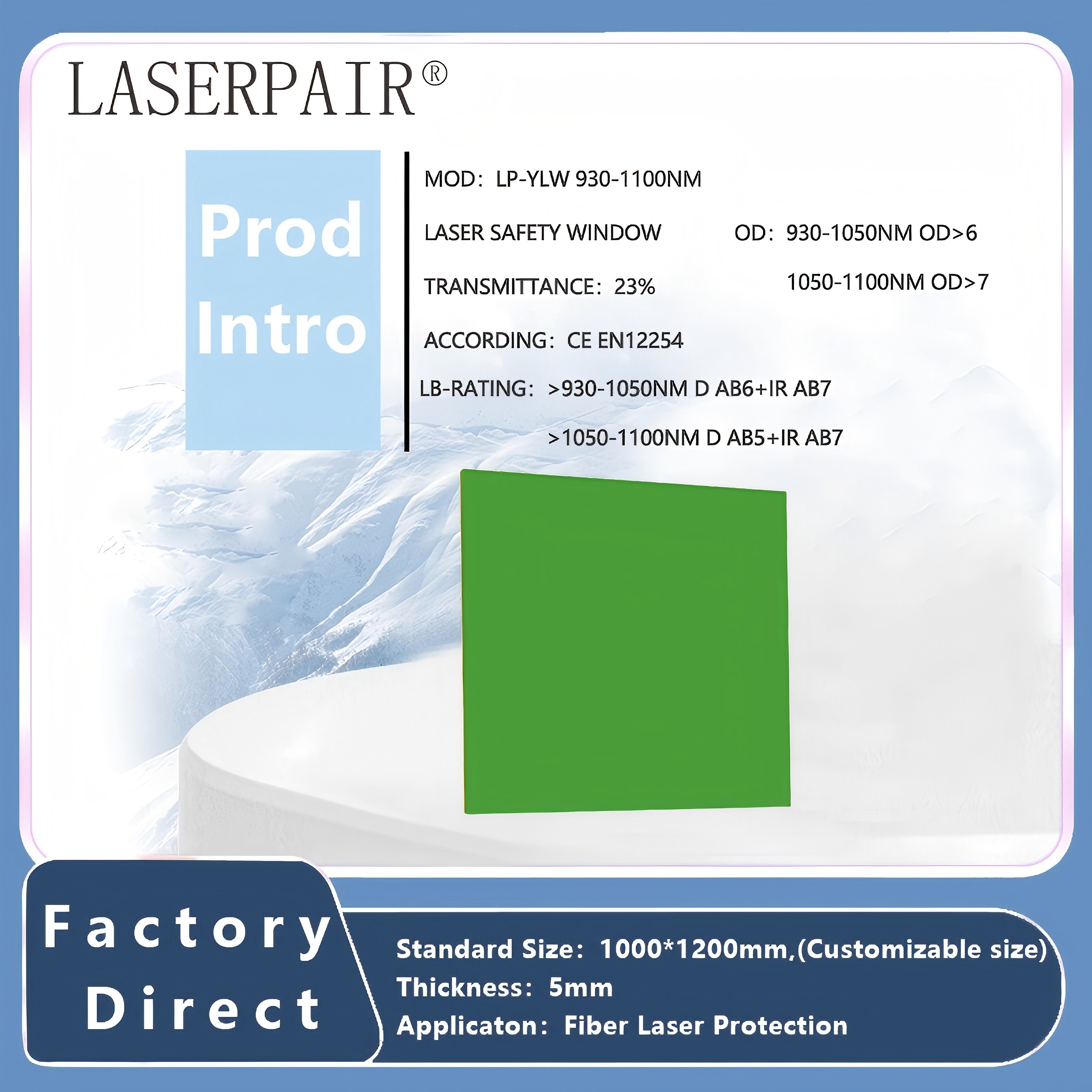
Лазеры повсюду — промышленные цехи, исследовательские лаборатории, медицинские клиники , даже учебные классы полагаются на них для повышения эффективности и точности. B однако они также представляют серьёзную угрозу одному из наших самых уязвимых органов — глазам. Взгляд на лазерный луч (или его отражение) даже на долю секунды может вызвать необратимые ожоги сетчатки, повреждение роговицы или катаракту. So выбор правильных защитных очков для работы с лазерами — это не просто вопрос соблюдения нормативов, а вопрос защиты вашего зрения на всю жизнь.
Но... как выбрать подходящие защитные очки для работы с лазерами? Разберёмся пошагово.
Шаг 1. Определите длину волны вашего лазера
Каждый лазер работает на определённой длине волны (измеряется в нм), и ваши защитные очки должны соответствовать этой длине волны — в противном случае они будут неэффективны, как обычные очки. Исключений нет!
Распространённые длины волн лазеров включают:
|
Длина волны |
Тип лазера |
Типичные применения |
|
355 нм |
УФ-лазер |
Тонкая обработка, медицинские процедуры |
|
532 нм |
Зелёный лазер |
Юстировка, медицинские процедуры, научные исследования |
|
808 нм / 980 нм |
Диодный лазер |
Промышленное производство, медицинские терапии |
|
1064 нм / 1070 нм / 1080 нм |
Лазерные волокна |
Резка, сварка и маркировка металлов |
|
10600 нм |
CO₂ лазер |
Резка неметаллических материалов, медицинское применение |
Если ваш лазер работает на длине волны 1064 нм, вы должен должны выбрать очки, обеспечивающие защиту на длине волны 1064 нм. Если вы используете несколько лазеров с разными длинами волн, вам могут понадобиться очки с многоспектральной защитой — или несколько пар очков.
⚠️ Важнейшее напоминание: использование фильтра, не соответствующего длине волны лазера, равносильно полному отсутствию защиты. Не рискуйте!
Шаг 2: Проверьте значение оптической плотности (OD)
Оптическая плотность (OD) характеризует степень ослабления лазерной энергии очками на определённой длине волны чем выше коэффициент оптической плотности (OD), тем выше степень защиты.
как выбрать подходящий коэффициент оптической плотности (OD) для вашей лазерной мощности?
|
Мощность лазера |
Рекомендуемый коэффициент оптической плотности (OD) |
|
Низкая мощность (например, лазерные указки, выравнивание) |
OD 3+ |
|
промышленные лазеры мощностью 10–100 Вт |
OD 4–5 |
|
промышленные лазеры мощностью 800–1500 Вт |
ОП 7+ |
|
высокомощные лазеры мощностью свыше 1500 Вт |
ОП 7+ |
⚠️ Не переусердствуйте: Коэффициент оптической плотности (OD) не всегда подчиняется правилу «чем выше, тем лучше». Излишне высокий OD может ухудшить видимость и затруднить выравнивание. Выбирайте минимальный OD, обеспечивающий соблюдение требований безопасности для конкретной мощности вашего лазера.
VLT — это процент видимого света, проходящего через линзы. Более высокий коэффициент VLT означает более чёткое зрение и меньшую утомляемость глаз.
VLT ниже 20 % → требует хорошо освещённых рабочих зон
VLT от 30 до 50 % → обеспечивает в целом оптимальный баланс между чёткостью изображения и защитой
Высокий VLT (например, 60 % и выше) → обеспечивает превосходную видимость; часто встречается в очках для защиты от лазерного излучения CO₂
Цель состоит в том, чтобы найти очки лазерной защиты которые обеспечивают достаточный уровень защиты и достаточная четкость для безопасной и точной работы.
|
Материал |
Достоинства |
Лучший выбор для |
|
Поликарбонат (PC) |
Легкий, ударопрочный, экономичный, удобный при длительном ношении |
Общее применение, ношение в течение всего дня |
|
Стекло с покрытием |
Термостойкое, устойчивое к царапинам, сверхпрочное |
Высокомощные лазеры, суровые промышленные условия |
|
Композитные фильтры |
Многослойная защита, универсальность для различных длин волн |
Среды с лазерами нескольких длин волн |
Поликарбонат является наиболее широко используемым материалом сегодня, потому что он легкий, удобен для длительного ношения и имеет хорошую устойчивость к ударам. Стеклянные линзы предпочтительнее в условиях высокой мощности, где тепло и долговечность являются проблемами.
Никогда не покупайте защитные очки без соответствующей сертификации. Репутационные продукты должны соответствовать по крайней мере одному из этих стандартов :
Проверьте, есть ли на очках четкое обозначение сертификации, длины волны и уровня ОД .
Даже самые защищённые очки бесполезны, если они некомфортны и вы не носите их регулярно .
Несертифицированные продукты — независимо от их низкой стоимости — не стоят риска для вашего зрения.
❌ «Чем темнее линзы, тем безопаснее» — Неверно. Цвет линз не имеет прямой связи с защитой от лазерного излучения — Имеют значение длина волны и оптическая плотность (OD).
❌ «Один комплект подходит для всех лазеров». — Неверно. Защита, специфичная для определённой длины волны, означает, что для каждого лазера требуется свой комплект очков. .
❌ «Оптическая плотность (OD) 7+ всегда лучше». — Не обязательно. Избыточная оптическая плотность может ухудшить видимость и сделать выравнивание опасным. .
❌ «Обычные солнцезащитные очки или сварочные очки вполне подходят». — Категорически нет. Они не обеспечивают никакой защиты от конкретных лазерных длин волн. .
Выбор правильных лазерных защитных очков — не такая уж сложная задача, но требует внимания к деталям. Сначала длина волны, затем оптическая плотность (OD), а сертификация — всегда.
Ваши глаза незаменимы. Не экономьте на их защите.
Компания Laserpair Co., Limited специализируется на сфере безопасности лазеров более 10 лет. Если вы хотите приобрести защитные очки для работы с лазерами, просто отправьте нам запрос.
 Горячие новости
 EN
EN