
 EN
EN


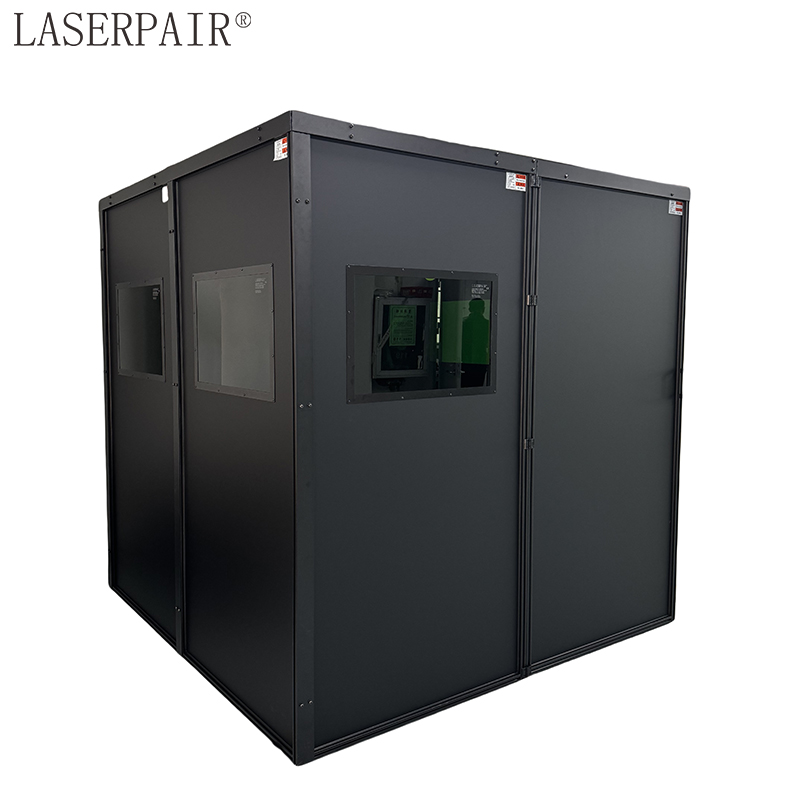
In high-power laser manufacturing, the brilliance of the beam is only matched by the potential danger of its reflections. Whether dealing with fiber lasers, CO2 cutters, or precision welding units, stray laser radiation is a hidden hazard that can cause permanent eye damage or long-term skin exposure to operators. Many facilities rely heavily on personal protective eyewear, but these are often insufficient for the intense, persistent scattering found in industrial workshops. An enclosed laser safety house acts as the ultimate engineering control, physically isolating the laser source and its reflections from the human environment.
Understanding the Hazards of Diffuse Reflection
When a laser beam strikes a work surface, it doesn't always dissipate instantly. Instead, it generates diffuse reflections—scattered light that bounces off metal, jigs, and even the surrounding walls. In an open-bench setup, these reflections travel at the speed of light, potentially reaching anyone in the workshop. While laser safety glasses are vital, they are reactive. A laser safety house is proactive. By creating a physical barrier, it contains the beam path entirely, ensuring that even if a reflection occurs, the energy remains trapped within a controlled, safe environment.
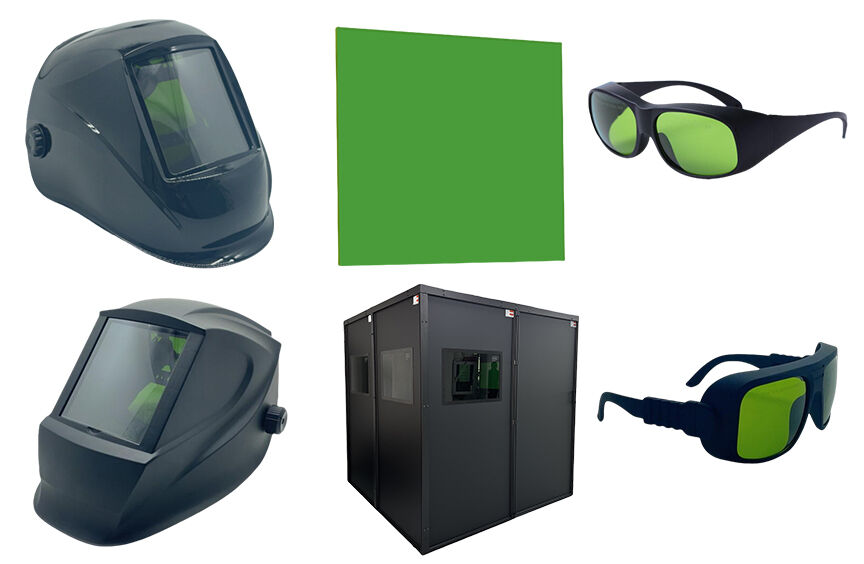
Technical Comparison of Shielding Materials
| Material Type | Radiation Attenuation | Durability | Thermal Resistance |
| Anodized Aluminum | High (for specific wavelengths) | Excellent | Moderate |
| Specialized Laser Fabric | Moderate (Flexible) | Low | High |
| Safety Steel/Alloy Panel | Extreme | Outstanding | Very High |
| Polycarbonate (Filter) | Wavelength Dependent | Moderate | Low |
Engineering for Complete Containment
An effective safety enclosure is not just a metal box. It requires precise integration, including beam-tight seals, interlocking doors, and filtered exhaust systems to manage laser-induced fumes. When a laser safety house is designed correctly, it accounts for the specific power density of the laser source. This means using materials that don't just block the light but also withstand the thermal load of unintended hits. Proper design minimizes the risk of "beam leakage" at seams or entry points, ensuring that the workshop remains a safe zone where operators can work without the constant constraint of wearing heavy goggles.
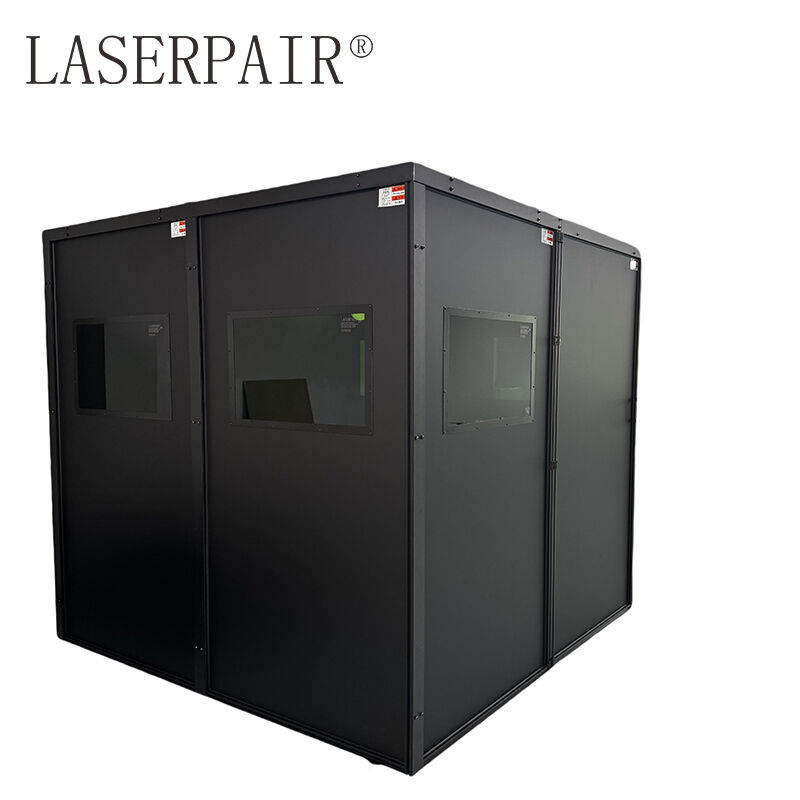
Operational Efficiency and Safety Metrics
| Safety Feature | Impact on Production | Risk Mitigation Level |
| Interlocked Access | Reduces downtime for maintenance | Critical |
| Automated Containment | Improves workflow speed | High |
| Visual Monitoring Windows | Enhances observation safety | High |
| Modular Shielding | Increases factory flexibility | Moderate |
Regulatory Compliance and Facility Integration
Regulatory bodies worldwide, including those overseeing workplace health and safety, increasingly demand engineering-first solutions. Implementing a laser safety house is the most direct way to meet standards such as EN 60825-1. Beyond compliance, it represents a commitment to the workforce. By centralizing the laser process, firms can optimize floor space, reduce the need for large "laser-restricted" zones, and improve overall factory throughput. Reliability in this infrastructure is paramount; a poorly constructed enclosure provides a false sense of security, which is often more dangerous than an open setup.
Long-Term Value through Specialized Engineering
Investing in high-grade containment is about more than just avoiding accidents; it is about building a sustainable industrial future. Laserpair provides advanced safety infrastructure that bridges the gap between raw power and operator protection. By focusing on precision-engineered components, modular designs, and superior material testing, Laserpair ensures that every enclosure serves as a robust shield against radiation. Providing solutions that integrate seamlessly into complex workflows, Laserpair helps organizations standardize their safety protocols while maximizing the operational potential of their laser systems.