
 EN
EN


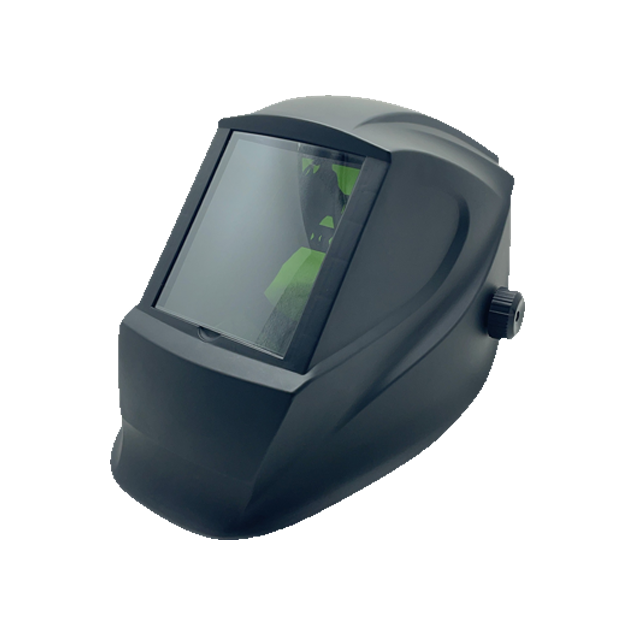
Core Laser Protection: Optical Density, Wavelength Coverage, and Eye Safety
How Laser Radiation Damages Eyes, Facial Tissue, and Other Industries
Thermal, acoustic, and photochemical laser radiation damage tissues, including the eye and facial tissue. With its natural focusing system, the cornea and lens cause a 1064 nm laser light to converge in the retina and increase energy density by 100,000 times. Because this illegally Constituted Waveform of light is invisible, it avoids the blink response and the response of aversion, causing long-lasting and insidious damage. If the ocular system is not protected from damage, the victim's retina would be burned, leaving them with permanent loss of vision and scotomas. On the face, a high 1064 nm energy would cause extremely deep and large necrotic tissues and lesions, which heal over a long period of time and have a high risk of infection. Laser Protective Helmets would help circumvent the above problems because they protect the user from the radiation before they reach the biological system.
Understanding Optical Density (OD) Ratings and Why OD 7+ Is Critical for 1064 nm Fiber Lasers
Optical Density (OD) is a measure of logarithmic attenuation. For example, an OD 7 rating indicates a reduction in incident laser power by a factor of 10 million (10⁷). With transmitted laser intensity below the Maximum Permissible Exposure (MPE) for Class 4 fiber lasers, many of which operate above 2 kW, it is below the MPE in Class 4 Lasers. The Industrial OD 4–5 eyewear is not adequate for use with Class 4 lasers. Even with OD 6 eyewear, the reduction in laser intensity is approximately 0.0001%, which is still not adequate for off-axis or extended use during industrial welding and industrial cutting operations. For multi-kilowatt 1064 nm sources, continuous operation is required, and OD 7+ is vital. Filter performance may vary sharply in narrower spectral bands, and it is important to verify OD at the operating wavelength of concern and not the broad band.
Regulatory Compliance: EN 207:2017 and the Non-Negotiables of Certified Laser Protective Helmet Design
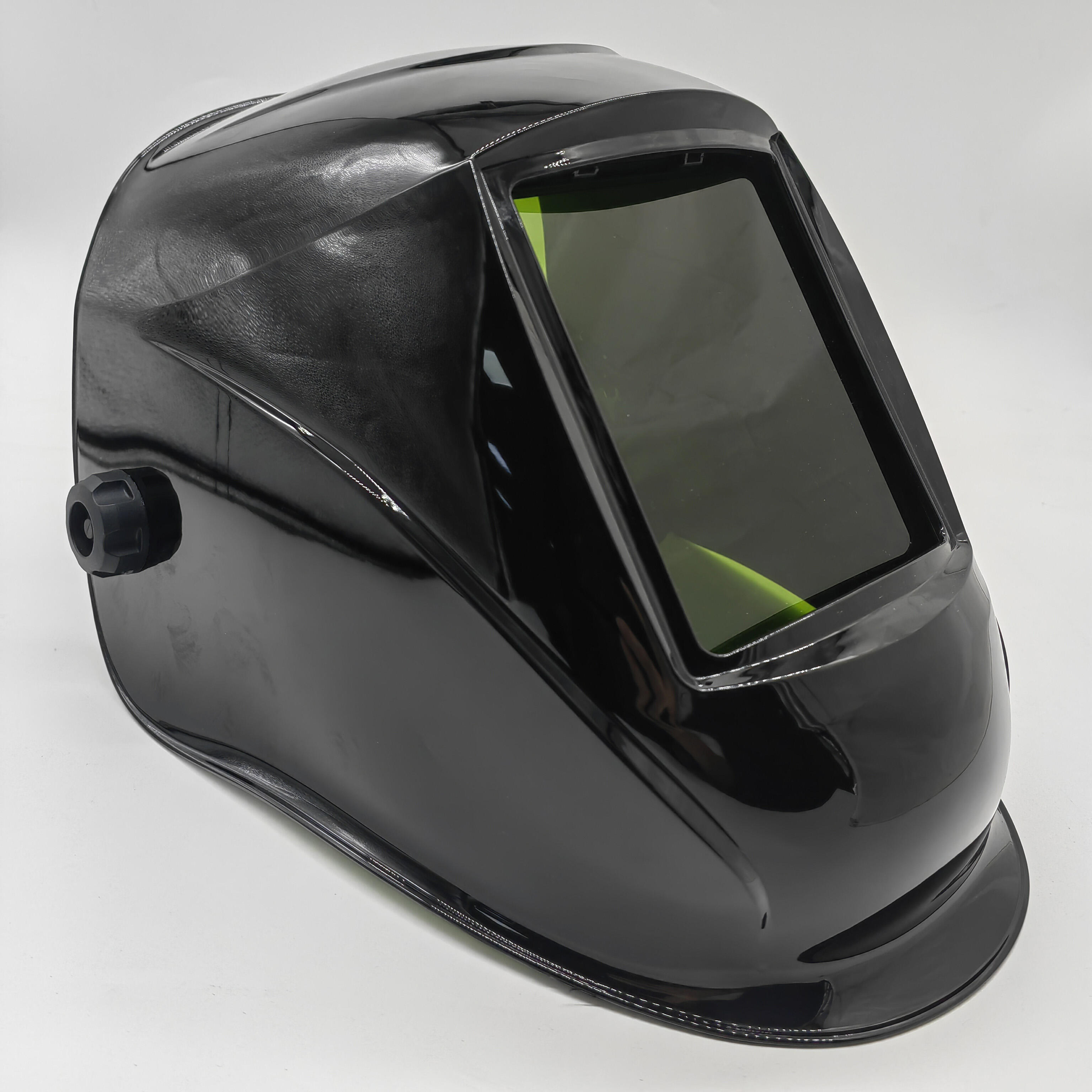
Conventional welding helmets generally afford no protection against 1064 nm lasers. Because they are designed to filter out UV and IR radiation, their lenses may transmit more than 50% of 1064 nm energy and act as hazard amplifiers. In addition, they are not certified for laser protection. In the EU and UK, EN 207:2017 is the legally prescribed standard. Self-certification is illegal and the CE mark must only be awarded following full compliance by an accredited institution.
For certified laser helmets, EN 207 outlines three non-negotiable applicable criteria:
LB rating: It merges optical density with the material damage threshold when subjected to direct laser exposure. LB6 or LB7 is needed for CW 1064 nm fiber lasers.
Pulse resistance: It indicates that filters should be capable of coping with thermal shocks of high-peak-power pulse lasers without the filter cracking, delaminating, or OD dy degradation.
Filter integrity: The optical assembly, including the lens, the frame, gasketing, and the peripheral seals, must provide the rated protection during the worst-case scenario, including misalignment or partial exposure beam incidence.
Any helmet that does not pass one of those tests is a protective helmet, that offers verifiable, and most probably dangerous protection, and puts the employer to significant legal and financial risks.
Beyond Optics: Modern laser protective helmets system design integrates safety features.
Modern laser protective helmets combine layers of protection not only against direct laser radiation, but the totality of dangers present in an industry laser environment. It incorporates all the risks of impact, thermal and fumes, and ergonomics without compromising on optical certification.
Combined defense against sparks, molten metals and thermal hazards in laser cutting and welding.
Full face protection is needed against secondary hazards that are incidental to laser metalworking, which include rapidly moving molten metal and metal splashes. The chin area is left exposed to the elements, and so is the entire face, which is why polycarbonate, high-impact material is used to make the exposed elements of the work area. All structural elements are tested for impact resistance using a 4 mm steel ball that is shot at 120 m/s to simulate a real world impact on the work area. The Helmets used for long mountain climbs and journeys are made to weigh only a mere 600 grams, and offer the best protection coupled with the best resource and material management.
Fume Mitigation and ADF Integration: Real-Time Visibility and Compliance with EN 207 LB6
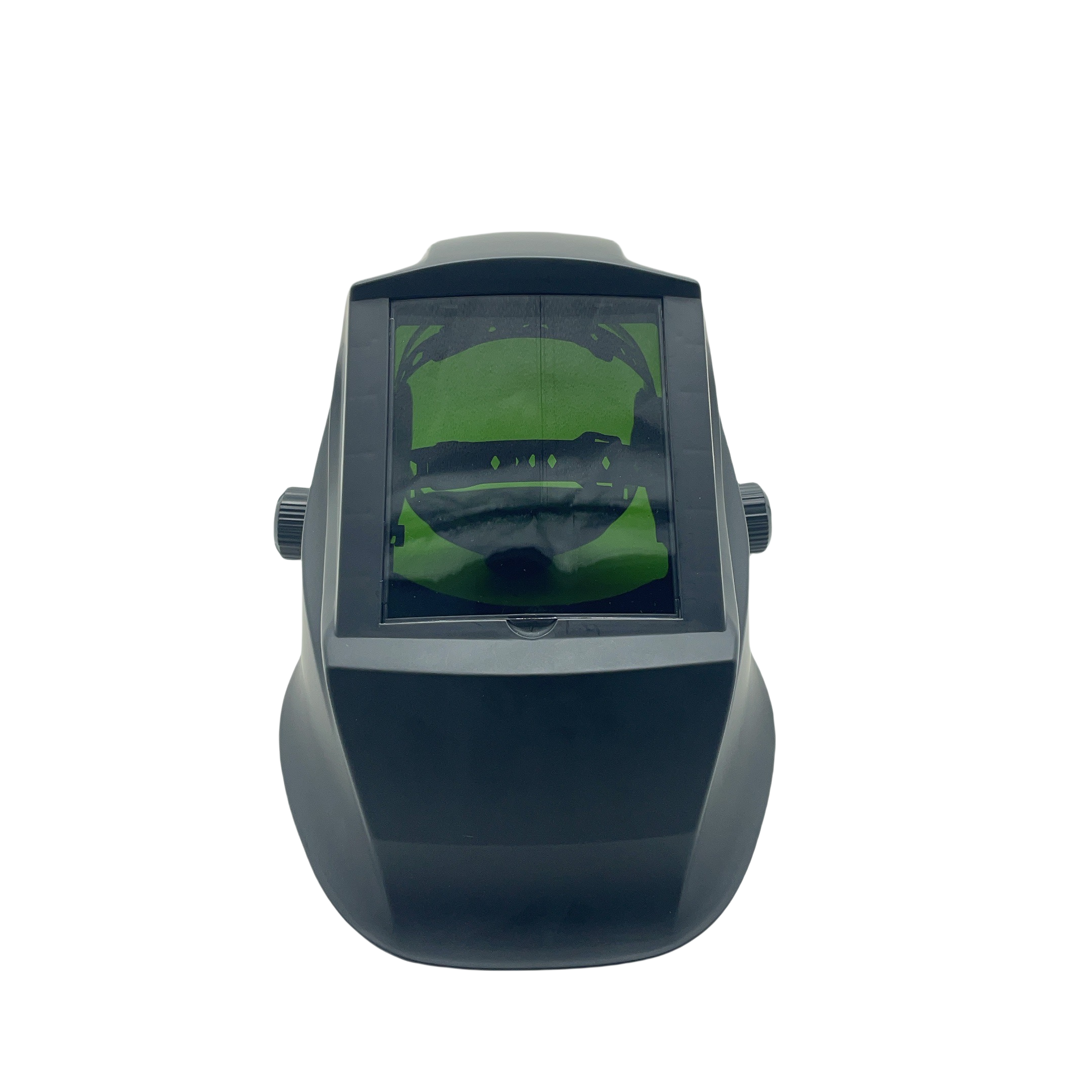
Integrated ventilation systems actively decrease exposure to hazardous metal oxide vapors, as well as fumes and nanoparticles, that are produced when laser materials are processed. Simultaneously, ADF technology provides dynamic shade control, lightening between laser pulses (or during setup) and maintaining full compliance with EN 207 LB6 during active lasing. This simultaneous capability preserves situational awareness, and workflow, and protects health. There are no optical compromises. Careful design of interfaces assures compatibility with Powered Air Purifying Respirators (PAPRs) and other assistive devices, strengthening the helmet’s position within a complete personal protective equipment system.
FAQ
What is Optical Density (OD), and what is the importance of OD 7+?
Optical Density quantifies how much intensity of laser radiation is reduced. Since 1064 nm high-power fiber lasers require at least an OD of 7+, this is critical for operator safety in industrial settings.
How does EN 207:2017 control laser protective helmets?
EN 207:2017 defines the LB rating of equipped helmets, and the pulse resistance integrity of the filters, which encompass effective protection against laser radiation and compliance with governmental controls.
Can welding helmets protect against lasers?
No, welding helmets are not made for laser radiation. They may even transmit an unsafe percent of energy, highlighting the importance of having a properly certified laser protective helmet.
What hazards do integrated helmets defend against?
Integrated helmets offer protection against sparks, molten metal, thermal hazards, laser radiation, and airborne fumes, as well as compliance and ergonomic usability.
5. What is Auto-Darkening Filter (ADF) technology?
ADF is a feature that changes the shade of the helmet based on the lighting and provides visibility while ensuring compliance with laser protection standards during exposure.