 ×
×
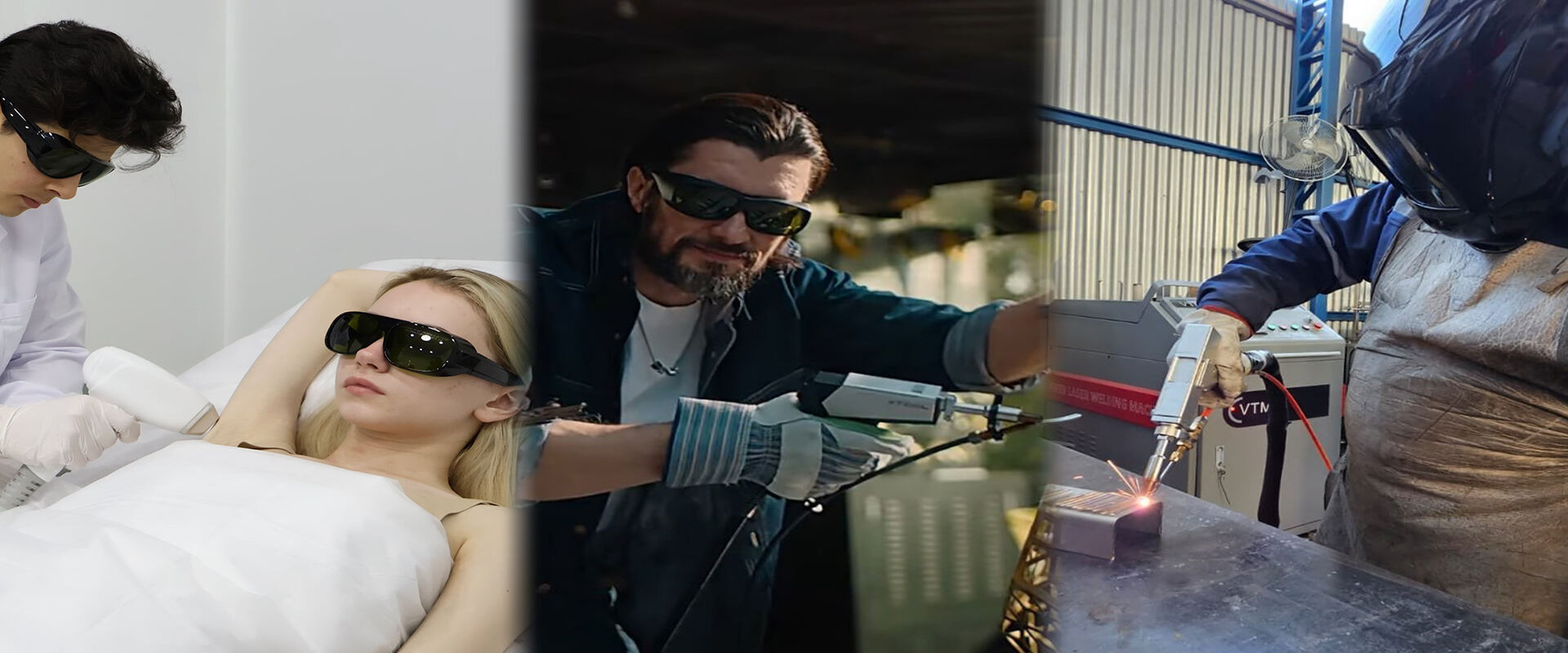
In high-power industrial environments, operating Class 4 lasers introduces severe risks, including irreversible eye injuries, skin burns, and secondary hazards like plasma arcs. Relying on standard laser protective eyewear is often insufficient. To...
VIEW MORE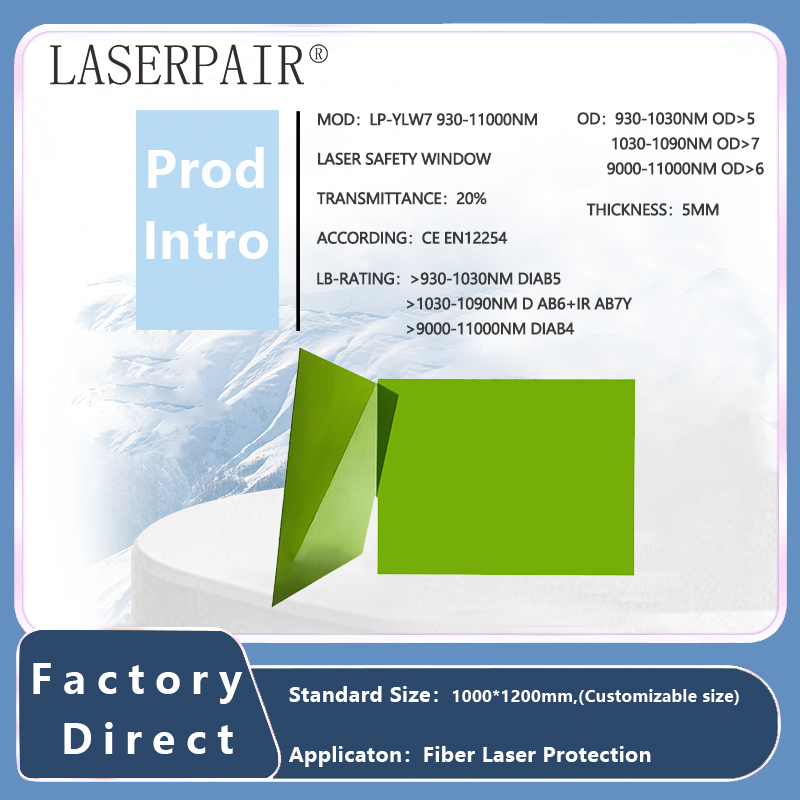
How OD Quantifies Attenuation: Physics of Logarithmic Optical Density at 1064nm and 455nm Optical Density (OD) is the core quantitative metric for evaluating laser safety window performance, specifically used to measure the degree of laser light a...
VIEW MORE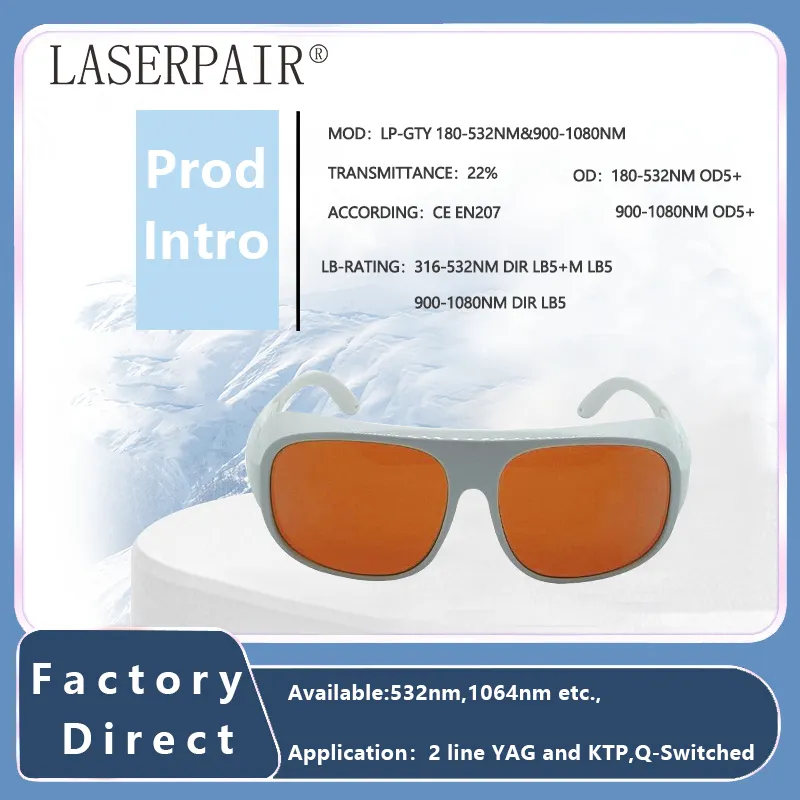
This article outlines why EN207 is the globally trusted benchmark for protecting personnel in medical and high-stakes laser environments. Why EN207 is the Global Benchmark Unlike generic safety eyewear, EN207 mandates accredited third-party testing...
VIEW MORE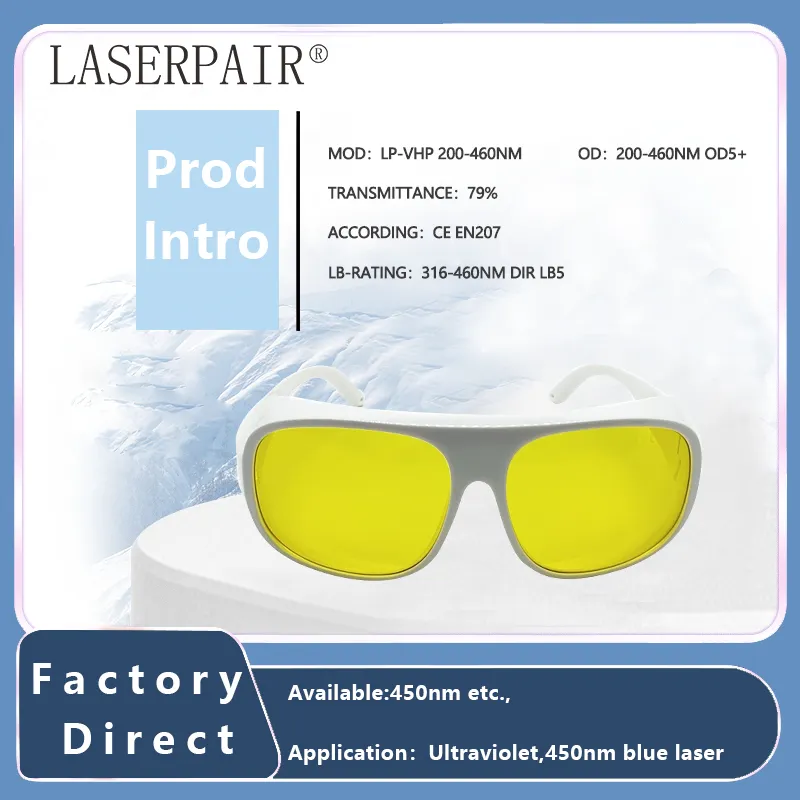
When operating a 4-kilowatt fiber laser, the beam can cause irreversible retinal damage faster than the human blink reflex. Optical Density (OD) is the primary metric that validates whether your laser safety goggles are a life-saving tool or merely...
VIEW MORE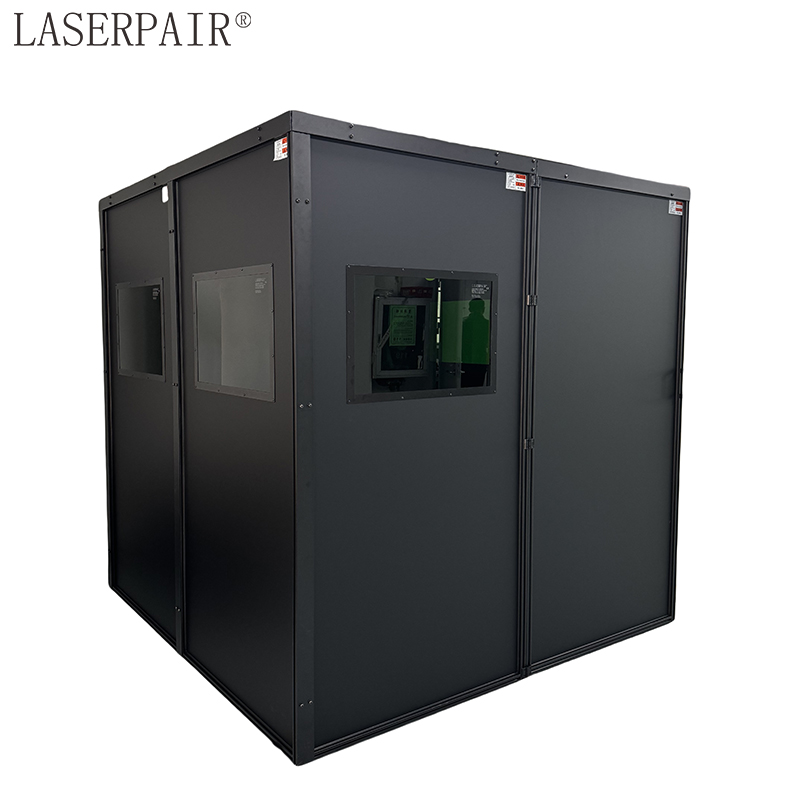
In high-power laser manufacturing, the brilliance of the beam is only matched by the potential danger of its reflections. Whether dealing with fiber lasers, CO2 cutters, or precision welding units, stray laser radiation is a hidden hazard that can ...
VIEW MORE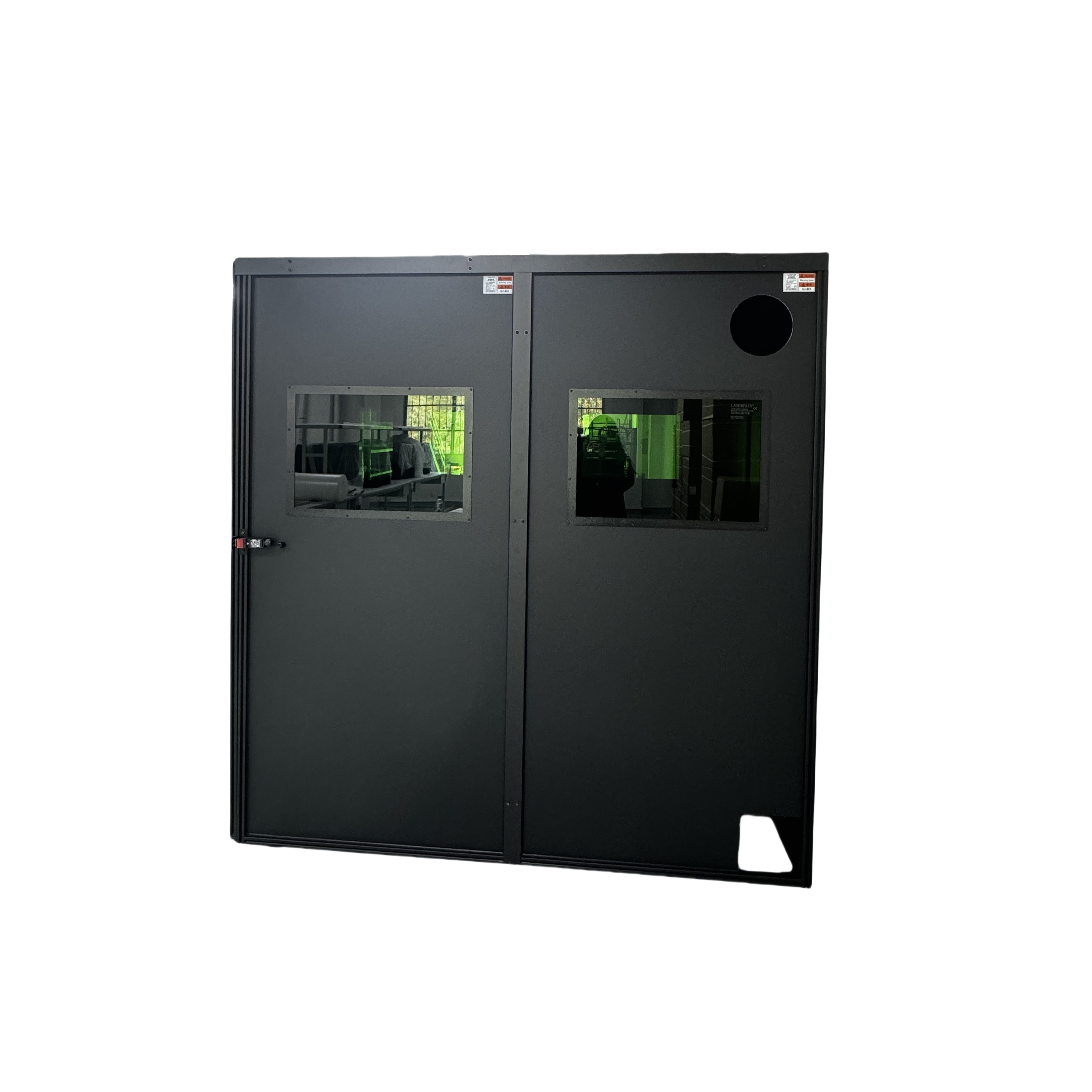
Designing Laser Safety Cabins with Regulatory Compliance in Mind Understanding the Problem: Failings of Pre-Fabricated Enclosures in Meeting ANSI Z136.1 and ISO 13849 Standards Most pre-fabricated enclosures are not designed to the rigorous safety ...
VIEW MORE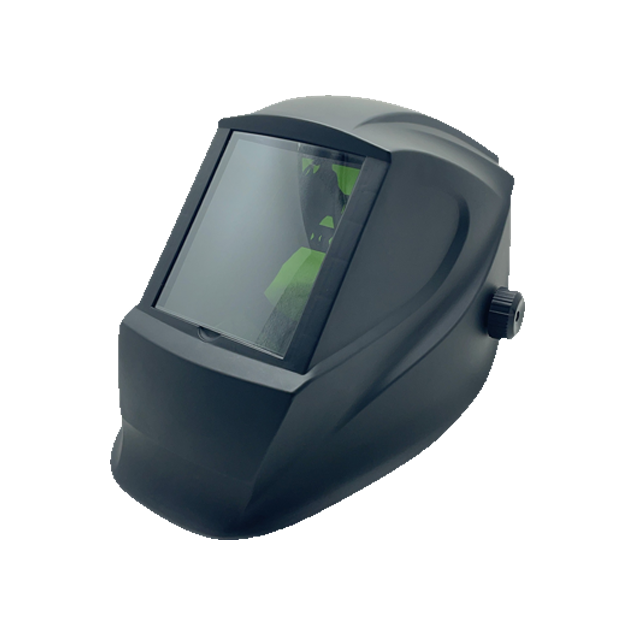
Core Laser Protection: Optical Density, Wavelength Coverage, and Eye Safety How Laser Radiation Damages Eyes, Facial Tissue, and Other Industries Thermal, acoustic, and photochemical laser radiation damage tissues, including the eye and facial tiss...
VIEW MORE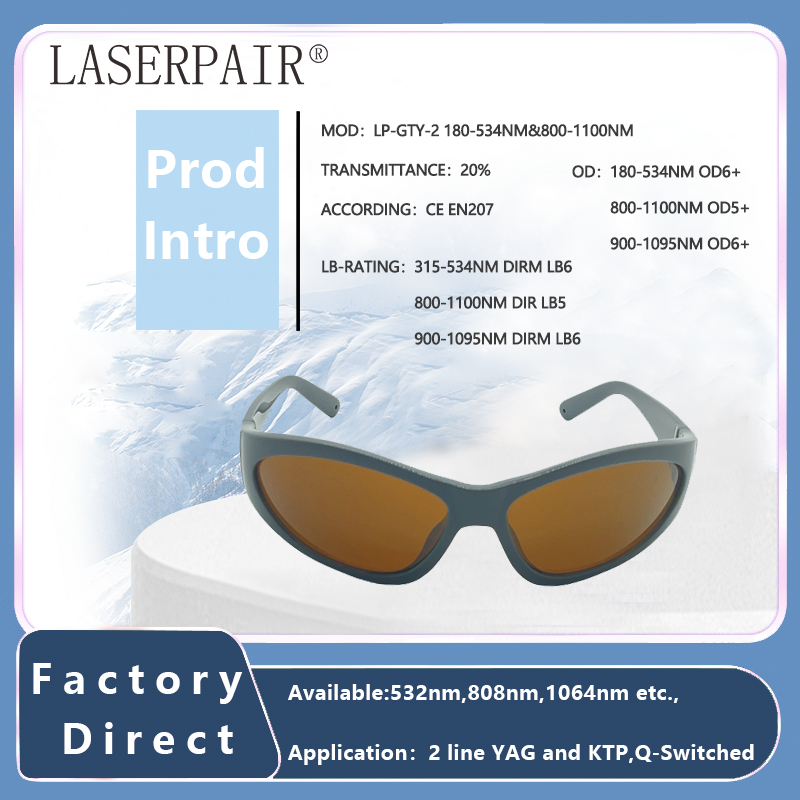
How Optical Density (OD) Decreases Laser Hazard Risks in Welding Examining OD: Logarithmic Attenuation Optical Density (OD) allows us to express how laser welding glasses protect us from harmful radiation using logarithmic attenuation. Laser weldin...
VIEW MORE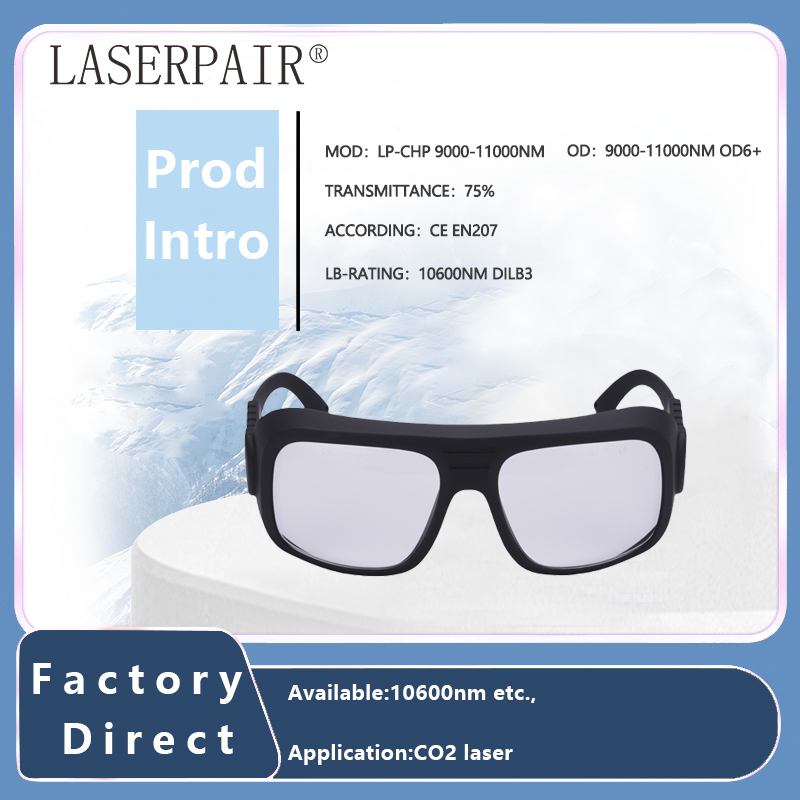
What Does CE Certification Mean for Laser Safety Glasses? CE certification is mandatory if laser safety glasses are released in the European Union. It confirms the product fulfills certain health and safety specifications as per the European Direct...
VIEW MORE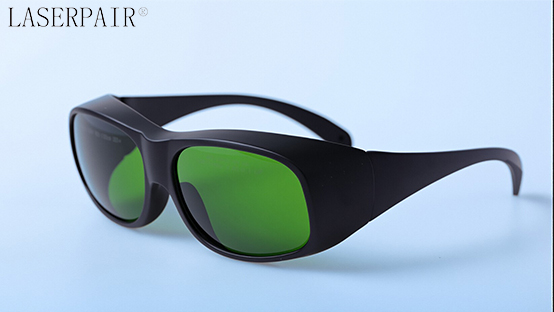
Tuned to Your Laser: Why You Need to Consider the Wavelength Your Laser Safety Goggles Match. The physics of selective wavelength absorption: How filter materials interact with UV, visible, and IR light Laser safety glasses use filters that absorb ...
VIEW MORE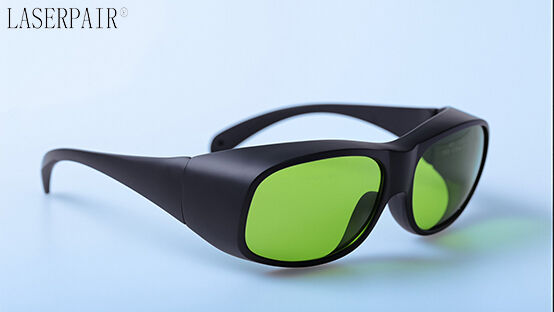
Retinal Hazards: Why Visible Lasers (400–700 nm) Pose Unique Eye Safety Risks Photobiological efficiency of the retina at visible wavelengths and peak vulnerability to photothermal and photochemical damage Our eyes work best at seeing things i...
VIEW MORE
Engineering Controls: Designing ISO-Compliant Enclosures for Kilowatt-Class Laser WeldingStructural Integrity and Light-Tightness Requirements for Class 4 Laser EnclosuresWhen dealing with Class 4 lasers (500W and above), proper enclosure design beco...
VIEW MORE
 EN
EN

